

Table of Contents
ToggleThe world of doujins has become one of the most fascinating and creative corners of Japanese pop culture. Over the years, doujins have expanded from small fan-made comic projects into a massive global phenomenon that attracts artists, writers, collectors, anime fans, and manga enthusiasts from every part of the world. Whether someone is deeply involved in anime culture or simply curious about Japanese independent publishing, understanding doujins opens the door to a unique artistic community built on creativity, passion, and self-expression.
Doujins are often associated with fan-created manga inspired by existing anime, manga, or video game series, but the concept is much broader than many people realize. The doujin culture includes original stories, novels, art books, parody comics, music collections, games, and collaborative fan projects. In Japan, the doujin scene has become a powerful creative ecosystem where amateur and professional artists alike can publish their work independently without relying on major publishing companies. This freedom allows creators to experiment with storytelling, art styles, and niche ideas that may never appear in mainstream media.
As interest in anime and manga continues to grow internationally, doujins are becoming more visible outside Japan. Fans are increasingly searching for information about doujinshi conventions, digital platforms, artist communities, and the legal and cultural aspects surrounding fan-created works. This article explores everything you need to know about doujins, including their history, popularity, genres, creation process, cultural impact, and future in the digital age.
What Are Doujins?
Doujins refer to independently created works that are self-published by artists, writers, or small groups known as “circles.” The word itself comes from the Japanese term “doujin,” which roughly translates to “people with shared interests.” These works are commonly distributed at conventions, online marketplaces, and specialty stores dedicated to fan-made content.
Although many people use the term interchangeably with “doujinshi,” there is a slight difference. Doujinshi specifically refers to self-published printed works such as manga or novels, while doujins can include a wider range of creative media like music CDs, visual novels, games, and digital art collections. Some doujins are entirely original creations, while others are based on popular anime, manga, or gaming franchises.
One reason doujins are so popular is because they provide creators with complete artistic freedom. Unlike commercial manga publishers that often impose strict editorial rules, doujin creators can explore experimental themes, alternative storylines, character relationships, and unconventional art styles. This freedom has made doujins an important part of Japanese fan culture and a training ground for many professional manga artists.
The History of Doujins
The history of doujins dates back many decades, long before the rise of the internet or global anime fandom. Independent publishing groups existed in Japan during the early twentieth century, where writers and artists shared literary works among communities with similar interests. However, modern doujin culture truly began to flourish during the 1970s and 1980s alongside the rapid growth of manga and anime popularity.
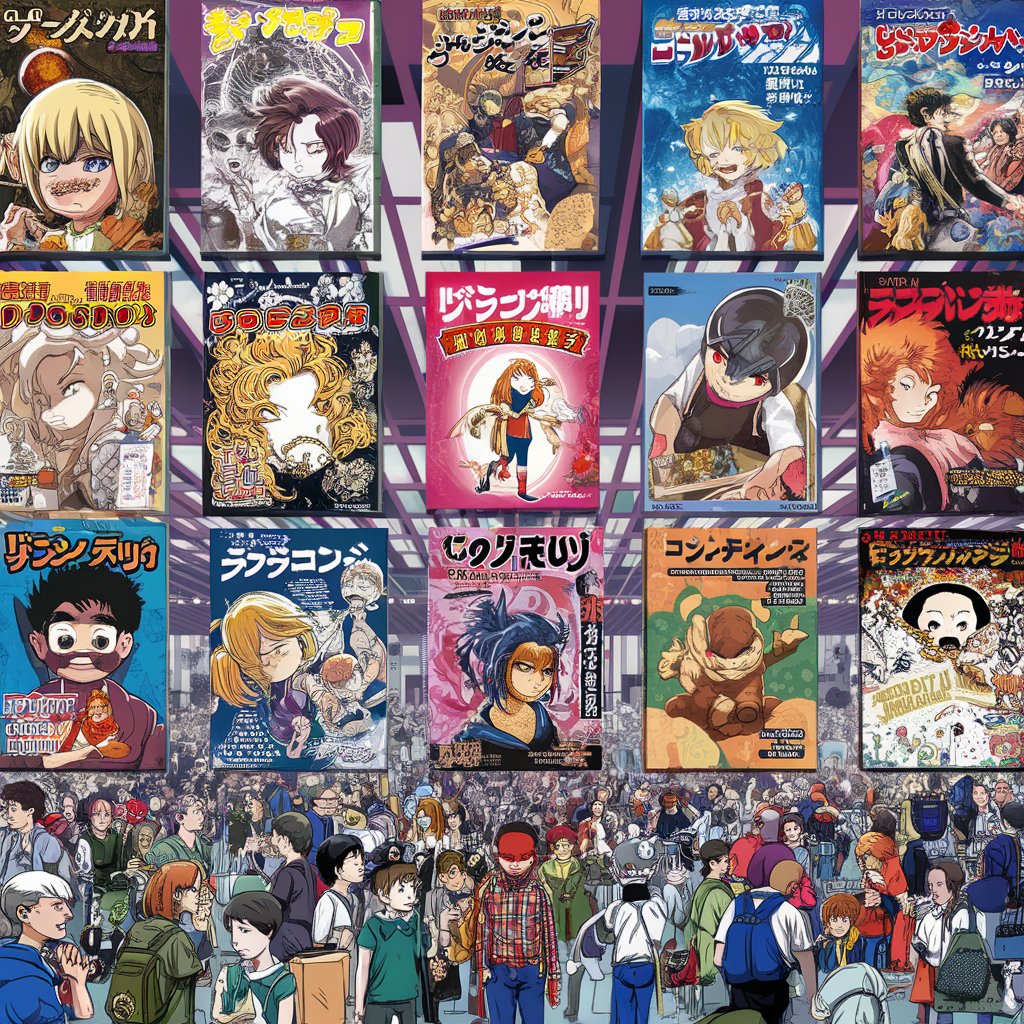
The rise of fan conventions played a major role in the expansion of doujin culture. One of the most famous events is Comic Market, commonly known as Comiket, which began in Tokyo in 1975. This convention eventually became the largest doujin event in the world, attracting hundreds of thousands of visitors and creators. Artists gathered to sell self-published comics, showcase their talent, and connect directly with fans.
Over time, doujin culture became deeply integrated into Japanese pop culture. Many famous manga creators started their careers in the doujin scene before becoming professionals. Doujins helped aspiring artists develop storytelling skills, build audiences, and experiment creatively before entering mainstream publishing industries.
Why Doujins Are So Popular
Doujins have gained massive popularity because they offer something that mainstream entertainment sometimes cannot: unrestricted creativity. Fans enjoy seeing alternative interpretations of beloved characters and stories, while creators appreciate the opportunity to publish their ideas without corporate limitations.
Another reason for the popularity of doujins is the strong sense of community surrounding them. Artists and fans often interact directly at conventions or online platforms, creating a more personal connection between creators and readers. This interactive culture encourages collaboration and artistic growth within the fandom community.
Doujins also allow fans to explore niche interests that commercial publishers may avoid. From rare character pairings to experimental storytelling formats, doujin creators are free to explore highly specific themes and audiences. Because of this diversity, readers can discover unique stories that differ greatly from mainstream manga publications.
The internet has further increased global interest in doujins. Digital marketplaces, fan translation communities, and social media platforms have helped international audiences discover works that were once only accessible in Japan. As anime fandom continues to expand worldwide, doujins remain an important cultural and artistic outlet for fans everywhere.
Different Types of Doujins
The doujin world is incredibly diverse, offering many genres and creative formats. While some people only associate doujins with manga parodies, the reality is much broader and more creative.
Original Doujins
Original doujins feature entirely new characters, stories, and settings created by independent artists. These works often showcase unique storytelling styles and innovative artwork. Many creators use original doujins to establish their own artistic identity before entering professional publishing industries.
Fan-Based Doujins
Fan-based doujins are inspired by existing anime, manga, games, or novels. These works may continue unfinished storylines, explore alternative endings, or focus on relationships between characters that fans enjoy. Such doujins are especially popular among anime communities.
Doujin Games
Independent game developers also create doujin games, ranging from visual novels to action games and role-playing adventures. Some doujin games have achieved enormous popularity and later became commercial successes.
Music and Audio Doujins
Musicians and composers create doujin music albums inspired by anime, games, or original themes. These soundtracks are often sold at conventions and online stores, contributing to the broader doujin culture.
Digital Doujins
With technological advancement, many creators now publish digital doujins online. Digital distribution has made it easier for international audiences to access independent Japanese content without physical shipping limitations.
The Role of Doujin Conventions
Doujin conventions are central to the culture and success of independent creators. These events provide artists with opportunities to showcase and sell their work directly to fans. Among all conventions, Comiket remains the most famous and influential gathering in the doujin community.
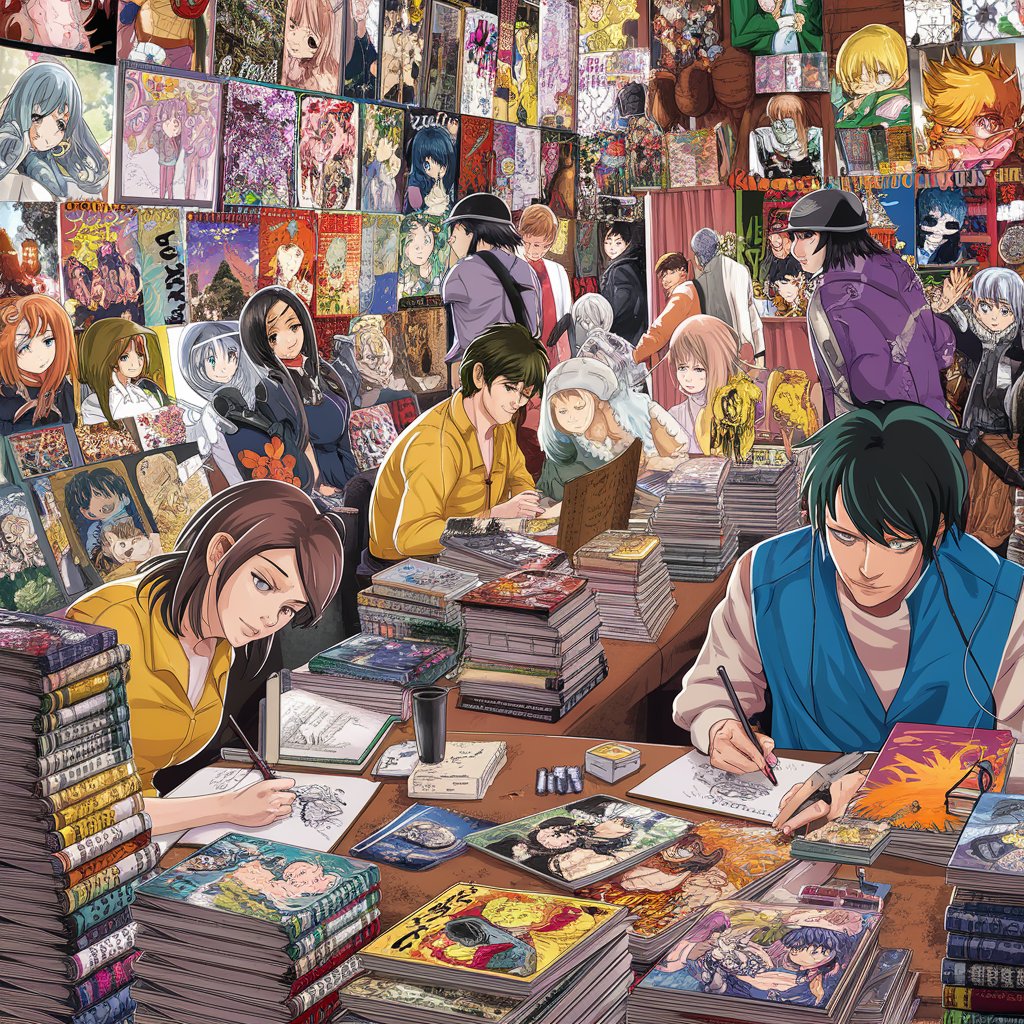
At doujin conventions, creators rent small booths where they display books, artwork, merchandise, and digital projects. Fans attend these events to discover new artists, collect limited-edition releases, and support independent creators directly. The atmosphere is often energetic and highly creative, filled with cosplay, fan discussions, and artistic networking.
Conventions also serve as important social spaces where creators collaborate and exchange ideas. Many long-term artistic partnerships and professional careers have started through connections made at doujin events.
How Artists Create Doujins
Creating doujins requires dedication, creativity, and technical skill. Artists typically handle every stage of production themselves, including writing, illustration, design, printing, and marketing.
The process often begins with brainstorming story concepts and designing characters or adapting existing fandom material. After completing sketches and layouts, creators finalize artwork using traditional drawing techniques or digital software.
Printing and distribution are important steps as well. Some artists choose physical printing companies for convention sales, while others publish digitally through online platforms. Social media has become a major promotional tool, allowing creators to reach global audiences more effectively than ever before.
Despite the challenges involved, many artists continue creating doujins because of their passion for storytelling and artistic expression. The ability to connect directly with readers makes the effort rewarding for countless independent creators.
Legal and Copyright Issues Surrounding Doujins
One of the most discussed aspects of doujin culture involves copyright and intellectual property. Since many doujins are based on existing franchises, questions about legality naturally arise.
In Japan, fan-created doujins often exist within a tolerated gray area. Many companies allow non-commercial or limited fan works because they help maintain community engagement and increase franchise popularity. However, copyright holders still legally own the original characters and settings.
Problems may arise when creators attempt large-scale commercial distribution or violate specific company guidelines. Because of this, many doujin creators operate respectfully within community norms and avoid actions that could lead to legal conflicts.
Understanding these legal boundaries is important for both creators and fans who participate in doujin culture.
The Global Influence of Doujins
Doujins are no longer limited to Japan. International anime communities have embraced independent fan publishing, leading to the growth of similar creative scenes worldwide.
Artists from different countries now produce fan comics, web manga, and independent publications inspired by Japanese doujin culture. Online platforms allow creators from around the globe to share their work instantly with international audiences.
The influence of doujins can also be seen in modern indie comics, crowdfunding projects, and webtoon communities. Many creators appreciate the freedom and direct audience engagement that doujin-style publishing encourages.
As anime continues gaining mainstream popularity, doujin culture will likely become even more influential within global entertainment and digital art communities.
The Future of Doujins in the Digital Era
Technology is rapidly changing how doujins are created, distributed, and consumed. Digital publishing platforms now allow artists to release work instantly without expensive printing costs. This shift has made independent publishing more accessible than ever before.
Virtual conventions and online marketplaces are also helping creators connect with international audiences. Social media platforms allow artists to build loyal fan communities and promote their projects worldwide.
Artificial intelligence, digital illustration tools, and online translation communities may continue transforming the doujin landscape in the future. However, the core spirit of doujin culture—creative freedom and passionate fan expression—will likely remain unchanged.
Conclusion
Doujins represent far more than fan-made comics or independent manga publications. They are a powerful expression of creativity, community, and artistic freedom within Japanese and global pop culture. From small convention booths to massive online audiences, doujin creators continue shaping entertainment through passion-driven storytelling and innovative artistic experimentation.
The doujin scene has influenced countless professional artists, inspired global fandom communities, and expanded the possibilities of independent publishing. Whether someone enjoys original stories, anime-inspired works, games, or music projects, doujins provide an endlessly diverse creative universe worth exploring.
As digital technology continues evolving, doujins will likely become even more accessible to audiences around the world. Their ability to unite fans and creators through shared passion ensures that doujin culture will remain an important and influential part of modern entertainment for years to come.
Frequently Asked Questions About Doujins
What does the word doujin mean?
The word “doujin” refers to people who share similar interests or hobbies. In publishing culture, it describes independently created works produced by fans or small creative groups.
Are doujins only manga?
No, doujins include many forms of media such as manga, novels, games, music albums, digital art collections, and visual novels.
What is the difference between doujin and doujinshi?
Doujin is a broader term for independent works, while doujinshi specifically refers to self-published printed materials like manga or novels.
Are doujins legal?
Many doujins exist in a tolerated legal gray area, especially fan-made works based on existing franchises. However, copyright ownership still belongs to the original creators or companies.
Where can people buy doujins?
Doujins are commonly sold at conventions, specialty shops, and digital marketplaces. Some creators also distribute their work through personal websites and social media platforms.
Why are doujins important in anime culture?
Doujins encourage creativity, artistic experimentation, and fan engagement. They also help aspiring artists gain experience and build audiences before entering professional industries.
Can international fans create doujins?
Yes, creators from all over the world now produce doujin-inspired works and participate in independent fan publishing communities online.
What is Comiket?
Comiket, short for Comic Market, is the world’s largest doujin convention held in Japan. It attracts massive numbers of artists, fans, and independent creators every year.