
Posted inTechnology







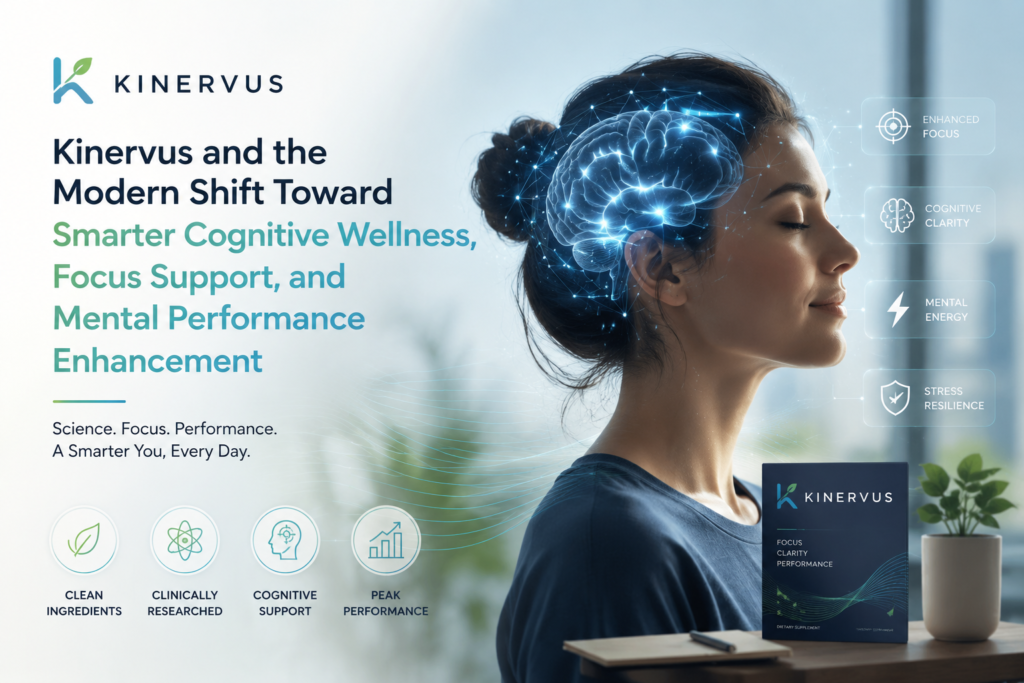
Kinervus and the Modern Shift Toward Smarter Cognitive Wellness, Focus Support, and Mental Performance Enhancement
The modern world demands constant mental energy. Professionals juggle deadlines, students absorb massive amounts of information, creators battle burnout, and entrepreneurs push through long workdays that rarely seem to end. In this fast-moving environment, cognitive wellness has become more than a trend. It has evolved into a major priority for people who want better focus, stronger clarity, and sustainable mental performance.
Among the names gaining attention in this space, kinervus has emerged as a topic of growing interest. Discussions surrounding cognitive support supplements have expanded rapidly over the last few years, especially as consumers become more educated about brain health, nootropics, mental stamina, and productivity-enhancing routines. Rather than simply looking for short bursts of energy, people now want balanced cognitive support that fits naturally into their daily lives.
The growing popularity of wellness-focused lifestyles has also contributed to the attention around advanced brain-support formulas. Individuals are no longer satisfied with relying solely on caffeine or sugar-heavy energy drinks for mental alertness. Instead, they seek cleaner, smarter solutions that align with long-term well-being. This change in mindset has helped shape a market where products connected to cognitive enhancement are increasingly explored and discussed.
Mental performance itself has become deeply connected to lifestyle quality. Strong concentration can influence work productivity, learning speed, emotional resilience, creative thinking, and even personal confidence. Because of this, consumers pay closer attention to ingredients, formulation quality, research-backed compounds, and transparency in wellness products. The conversation is no longer superficial. It has become informed, detailed, and highly intentional.
One of the reasons kinervus continues to attract interest is the broader cultural movement toward proactive self-improvement. People want tools that help them function at their best while avoiding the crashes associated with traditional stimulants. The focus has shifted toward sustainable energy, cognitive balance, and maintaining mental sharpness throughout demanding schedules.
As wellness industries evolve, brain health has become a central category alongside fitness, nutrition, sleep optimization, and stress management. Consumers understand that cognitive performance influences nearly every area of life. From professional advancement to academic achievement and creative output, mental clarity has become one of the most valuable personal assets in the modern era.
The rise of remote work and digital lifestyles has further intensified the need for reliable concentration support. Constant notifications, information overload, and prolonged screen exposure place enormous strain on attention spans. Many individuals now actively seek routines and supplements designed to support memory, productivity, focus retention, and overall cognitive endurance.
What makes this area especially fascinating is how interconnected mental wellness truly is. Sleep quality affects concentration. Nutrition influences memory. Stress impacts productivity. Hydration affects alertness. Cognitive support products are increasingly viewed as part of a complete wellness ecosystem rather than isolated solutions.
This evolving perspective has transformed the way consumers evaluate modern nootropic products. Rather than chasing unrealistic promises, many now prioritize balanced formulas, ingredient synergy, and daily consistency. They want solutions that support performance without sacrificing overall wellness.
The discussion surrounding brain optimization also reflects a broader societal trend toward personal efficiency. Modern lifestyles reward mental agility, adaptability, and sustained attention. Whether someone is leading a company, studying for competitive exams, creating content, or managing complex responsibilities, cognitive sharpness often becomes a defining advantage.
In this environment, interest in wellness products connected to mental performance continues to rise steadily. Consumers research ingredients extensively, compare formulas carefully, and look for products that fit within evidence-based health strategies. This thoughtful approach has helped reshape the entire cognitive support industry into a more sophisticated and educated marketplace.
The Expanding Popularity of Cognitive Wellness and Brain Optimization
The idea of supporting mental performance through nutrition and supplementation is not entirely new. Ancient cultures used herbs, teas, and plant-based remedies for concentration and mental endurance long before the modern wellness industry existed. What has changed dramatically is the scientific understanding of cognitive function and the availability of advanced formulations designed for contemporary lifestyles.
Today, brain optimization is discussed openly across professional, academic, athletic, and entrepreneurial communities. People recognize that mental energy is just as important as physical stamina. Long work hours, demanding schedules, and constant digital interaction have created unprecedented pressure on cognitive systems. This shift has increased demand for wellness solutions that promote focus, mental clarity, and sustained productivity.
One reason the cognitive support market continues to expand is the growing awareness surrounding mental fatigue. Many individuals experience difficulty concentrating, maintaining motivation, or processing information efficiently after prolonged stress or overwork. Rather than accepting burnout as normal, consumers now actively seek lifestyle adjustments and wellness products that support healthier performance patterns.
The concept of nootropics has become central within this movement. Nootropic compounds are often associated with mental enhancement, memory support, concentration improvement, and cognitive resilience. Some formulas focus on natural plant extracts, while others combine vitamins, amino acids, adaptogens, and advanced nutritional ingredients aimed at supporting brain function.
Modern consumers also value balance more than intensity. Earlier generations often relied heavily on stimulants to push through exhaustion. While caffeine still remains popular, many people now prefer smoother and more sustainable forms of mental support. They want energy without jitteriness, focus without crashes, and productivity without overwhelming stress responses.
Another factor driving cognitive wellness trends is the increasing overlap between neuroscience and everyday health discussions. Topics like neuroplasticity, stress regulation, sleep cycles, and mental recovery have become part of mainstream wellness culture. As information becomes more accessible, consumers are better equipped to understand how daily habits influence brain function.
This educational shift has changed purchasing behavior significantly. People no longer buy wellness products based solely on marketing language. Instead, they investigate ingredients, compare formulations, and seek transparent explanations about how compounds may support cognitive performance. Ingredient literacy has become a major part of the modern supplement industry.
The workplace environment has also evolved in ways that emphasize mental output. Many careers now depend heavily on creativity, analytical thinking, strategic planning, and digital multitasking. Unlike physically demanding labor, knowledge-based work requires sustained attention and cognitive endurance throughout long periods of screen-focused activity.
Students represent another major group contributing to the rise of cognitive support discussions. Competitive educational environments place intense pressure on concentration, memory retention, and information processing. Many students explore healthier lifestyle strategies aimed at improving study efficiency and mental stamina during demanding academic periods.
Creative professionals face similar challenges. Writers, designers, musicians, developers, and content creators often depend on prolonged periods of concentration and idea generation. Mental exhaustion can directly affect creative flow, productivity, and consistency. This has increased interest in routines that support cognitive sustainability rather than temporary stimulation.
A notable quote frequently repeated in performance-focused wellness circles states, “Your brain is the engine behind every ambition.” That perspective captures why mental optimization has become so important across industries and lifestyles. People increasingly view cognitive wellness as foundational to achieving broader personal goals.
Technology itself has contributed to reduced attention spans and fragmented concentration patterns. Social media notifications, endless multitasking, and constant information exposure make it difficult for many individuals to maintain deep focus. Because of this, products and habits associated with mental clarity continue to attract substantial attention.
The wellness market now reflects this transformation clearly. Brain-support supplements are commonly discussed alongside sleep optimization, mindfulness routines, exercise programs, and nutritional planning. Rather than treating cognition as separate from overall health, modern wellness approaches emphasize the connection between physical and mental performance.
As the industry grows, consumers continue prioritizing transparency, research-backed ingredients, and long-term sustainability. They seek practical solutions that fit naturally into healthy routines while supporting productivity, focus, and cognitive resilience in increasingly demanding environments.
Understanding Modern Nootropic Culture and Performance-Oriented Lifestyles
The rise of nootropic culture represents a significant shift in how people think about personal performance. Productivity is no longer viewed only through the lens of hard work or long hours. Instead, attention has turned toward optimization, recovery, focus management, and sustainable cognitive efficiency. This broader philosophy influences everything from nutrition and sleep habits to supplementation and daily routines.
Nootropic culture thrives because modern life places exceptional demands on the brain. Continuous multitasking, digital overload, and high-pressure schedules create mental fatigue that many people struggle to manage. Professionals are expected to remain creative, responsive, and productive for extended periods without losing momentum. Students face increasing academic pressure, while entrepreneurs often work in environments requiring constant decision-making and adaptability.
In response, people have started building routines specifically designed to support cognitive resilience. Brain-support supplements, mindfulness practices, hydration strategies, and sleep optimization programs now form part of many high-performance lifestyles. The goal is not merely working harder but functioning more effectively and consistently.
Within this environment, interest surrounding kinervus reflects the broader consumer desire for cognitive enhancement tools that align with wellness-oriented lifestyles. Rather than depending solely on temporary stimulants, individuals increasingly look for balanced support systems aimed at mental clarity, concentration, and sustained energy.
One defining characteristic of modern nootropic culture is its emphasis on personalization. Different people experience mental fatigue differently. Some struggle with focus retention, while others face issues related to motivation, memory, or cognitive endurance. Because of this, consumers carefully explore ingredient profiles and routines that fit their individual goals and biological responses.
Adaptogens have become particularly popular within cognitive wellness discussions. These compounds are often associated with stress adaptation and overall balance. Many wellness enthusiasts appreciate formulas that combine cognitive support with stress-management benefits because mental performance and emotional resilience are deeply connected.
The integration of wellness technology has also shaped the nootropic landscape. People now track sleep cycles, monitor productivity patterns, and analyze daily energy fluctuations through apps and wearable devices. This data-driven mindset encourages individuals to treat cognitive performance as something measurable and improvable.
Nutrition plays an equally important role in this conversation. Balanced diets rich in healthy fats, antioxidants, vitamins, and hydration are widely associated with better brain function. Many people no longer separate supplementation from broader health practices. Instead, they approach cognitive wellness as part of a complete lifestyle framework.
There is also growing awareness about the limitations of relying on extreme stimulation. Excessive caffeine consumption can lead to crashes, irritability, and sleep disruption. Because sleep quality strongly influences memory and mental clarity, people increasingly seek smoother forms of support that fit within healthier long-term routines.
Performance-oriented lifestyles are not limited to corporate professionals. Athletes, gamers, creators, researchers, and freelancers all operate in environments where mental sharpness matters significantly. Fast decision-making, strategic thinking, and sustained concentration are valuable across many different fields.
Social media has further accelerated interest in cognitive wellness. Productivity communities, wellness influencers, entrepreneurs, and fitness creators frequently discuss focus optimization, mental stamina, and healthy routines. This visibility has helped normalize conversations around brain health and nootropic supplementation.
The popularity of morning routines also reflects this cultural shift. Many people now begin their days with structured habits aimed at improving cognitive readiness. Hydration, movement, meditation, journaling, nutrition, and carefully selected supplements often form part of these rituals. The objective is to create stable mental energy rather than reactive productivity fueled by stress.
A commonly shared philosophy within wellness communities states, “Consistency outperforms intensity.” This idea strongly influences modern cognitive support strategies. People increasingly value steady focus, calm alertness, and sustainable productivity over aggressive stimulation that eventually leads to exhaustion.
Another important aspect of nootropic culture is education. Consumers today are more informed than ever before. They read ingredient studies, compare formulations, analyze user experiences, and evaluate product transparency carefully before making purchasing decisions. This has pushed the industry toward higher standards and more sophisticated product development.
Workplace trends continue supporting the expansion of this market. Hybrid work models and remote environments often blur boundaries between professional and personal life. Without proper mental recovery, cognitive fatigue accumulates quickly. Wellness-oriented routines help many individuals maintain structure and performance amid these changing conditions.
Ultimately, modern nootropic culture reflects a deeper societal realization: mental performance is one of the most valuable resources people possess. Whether pursuing academic success, professional advancement, creative output, or personal growth, cognitive wellness has become central to achieving long-term goals in a demanding digital age.
Key Ingredients Often Associated With Cognitive Support Formulas
Modern cognitive wellness products frequently rely on carefully selected ingredient combinations designed to support mental performance, clarity, and focus. While formulations vary widely across brands and categories, several compounds consistently appear in discussions surrounding brain-support supplements and nootropic routines.
Consumers today pay close attention to ingredient transparency because they want products aligned with evidence-based wellness strategies. Rather than choosing supplements solely based on branding, many individuals examine nutritional profiles carefully and evaluate how various compounds may interact within the body.
The following table highlights several commonly discussed ingredients associated with cognitive wellness formulas and their general wellness-related roles.
| Ingredient | Common Association | Typical Wellness Purpose |
|---|---|---|
| L-Theanine | Calm focus support | Often paired with caffeine for smoother alertness |
| Caffeine | Mental stimulation | Supports temporary alertness and concentration |
| Lion’s Mane Mushroom | Cognitive wellness | Commonly linked with memory and brain support |
| Bacopa Monnieri | Traditional herbal support | Associated with memory and learning functions |
| Rhodiola Rosea | Adaptogenic herb | Often used for stress resilience and endurance |
| Ginkgo Biloba | Circulation support | Frequently connected to cognitive performance |
| Alpha-GPC | Choline source | Linked to focus and mental processing |
| Vitamin B Complex | Energy metabolism | Supports nervous system function |
| Magnesium | Neurological support | Associated with relaxation and recovery |
| Acetyl-L-Carnitine | Cellular energy support | Often included in cognitive formulas |
One of the most widely discussed combinations involves caffeine paired with L-theanine. This pairing has become popular because it may help create smoother alertness compared to caffeine alone. Many individuals report that the combination promotes concentration while reducing feelings of overstimulation or jitteriness.
Mushroom-based ingredients have also gained considerable popularity within the wellness industry. Lion’s Mane mushroom, in particular, is frequently discussed in relation to cognitive wellness and mental clarity. Functional mushrooms overall have become increasingly mainstream as consumers explore holistic approaches to performance support.
Herbal adaptogens represent another major category. Rhodiola rosea and Bacopa monnieri are often included in formulas focused on mental endurance and stress management. Adaptogens attract attention because they align with the growing interest in balancing performance with overall wellness rather than relying solely on stimulation.
Choline-based compounds are especially popular in advanced nootropic formulations. Alpha-GPC and related ingredients are commonly associated with cognitive processing and mental performance support. Consumers interested in productivity and concentration frequently research these ingredients extensively.
Vitamins and minerals remain foundational within many brain-support products. B vitamins are widely connected to energy metabolism and nervous system health, while magnesium is often discussed in relation to relaxation, sleep quality, and recovery. Since mental performance depends heavily on overall physiological balance, these nutrients play important supporting roles.
Another emerging trend involves combining traditional herbal knowledge with modern nutritional science. Many consumers appreciate formulas that bridge ancient wellness practices with contemporary research-backed approaches. This blend of historical use and modern formulation helps create broader appeal across wellness communities.
Hydration-support ingredients and antioxidant compounds also appear frequently in advanced wellness products. Oxidative stress and poor hydration can negatively affect cognitive function, concentration, and mental stamina. Because of this, comprehensive cognitive wellness routines often emphasize more than just stimulation alone.
Ingredient synergy has become one of the most important concepts within the modern nootropic industry. Consumers understand that effective formulas depend not only on individual ingredients but also on how compounds interact together. Balanced combinations aimed at smooth mental support are generally preferred over overly aggressive stimulant-heavy approaches.
Transparency remains essential. Wellness-conscious individuals increasingly favor brands that clearly disclose ingredient quantities, sourcing standards, and formulation philosophies. This shift reflects the growing maturity of the cognitive wellness market and the rising sophistication of its consumers.
A respected wellness saying often repeated among nutrition experts explains, “The brain performs best when supported consistently, not shocked occasionally.” This philosophy mirrors the broader movement toward sustainable cognitive support rather than short-lived intensity.
The increasing interest in advanced ingredients also reflects changing consumer expectations. People now want products designed thoughtfully around focus, clarity, recovery, and overall mental balance. As cognitive wellness continues evolving, ingredient education remains central to helping individuals make informed and effective choices.
Lifestyle Habits That Influence Cognitive Performance and Mental Clarity
Supplements alone rarely define strong mental performance. Cognitive wellness depends heavily on daily habits, recovery patterns, nutrition, stress management, and overall lifestyle consistency. While brain-support products attract considerable attention, many wellness experts emphasize that sustainable mental clarity begins with foundational health practices.
Sleep quality stands at the center of cognitive function. During deep sleep, the brain performs essential restoration processes related to memory consolidation, emotional regulation, and neural recovery. Chronic sleep deprivation can negatively affect concentration, reaction time, decision-making, and productivity. Even highly effective wellness routines struggle to compensate for inadequate rest.
Modern lifestyles frequently interfere with healthy sleep cycles. Excessive screen exposure, inconsistent schedules, stress, and overstimulation can all disrupt recovery quality. Because of this, many individuals now prioritize sleep hygiene practices such as limiting blue light exposure, maintaining consistent bedtimes, and creating calmer evening routines.
Nutrition also plays a major role in mental performance. The brain consumes significant energy and relies on stable nutritional support to function efficiently. Diets rich in healthy fats, lean proteins, antioxidants, and micronutrients are commonly associated with better cognitive resilience and sustained focus.
Hydration deserves equal attention. Even mild dehydration can contribute to mental fatigue, reduced concentration, headaches, and slower information processing. Many productivity-focused individuals intentionally structure hydration habits throughout the day to maintain cognitive stability during demanding work periods.
Exercise contributes substantially to brain wellness as well. Physical activity supports circulation, stress regulation, and overall neurological health. Many people notice improved mood, sharper thinking, and stronger concentration after consistent exercise routines. Movement also helps reduce the mental stagnation often caused by prolonged sitting and screen exposure.
Stress management has become increasingly important in discussions surrounding cognitive performance. Chronic stress can impair memory, focus, emotional balance, and decision-making ability. Modern wellness strategies often combine productivity optimization with recovery-focused habits designed to reduce excessive mental strain.
Mindfulness practices have grown significantly within professional and wellness communities. Meditation, breathing exercises, journaling, and digital detox routines are frequently used to support mental clarity and emotional balance. These practices help many individuals counteract the constant overstimulation associated with modern digital environments.
The connection between emotional wellness and cognitive performance is especially important. Anxiety, burnout, and chronic mental overload can reduce productivity even in highly motivated individuals. Sustainable mental performance depends on balancing ambition with recovery and emotional regulation.
Daily structure also affects concentration quality. People who create intentional routines often experience stronger productivity consistency than those operating reactively throughout the day. Structured mornings, focused work blocks, scheduled breaks, and clear priorities help reduce cognitive overload and decision fatigue.
Environmental design can influence focus dramatically. Clean workspaces, proper lighting, reduced distractions, and organized digital environments contribute to improved concentration. Many high-performance professionals intentionally optimize their surroundings to support mental efficiency and reduce unnecessary cognitive strain.
Technology management has become another critical factor. Constant notifications fragment attention and interrupt deep work patterns. Many individuals now use productivity systems designed to protect focused work sessions from digital interruptions. These strategies support sustained concentration and mental endurance throughout the day.
Caffeine management represents an interesting area of cognitive wellness discussions. While caffeine remains widely used for alertness, timing and dosage matter significantly. Excessive intake late in the day can disrupt sleep quality, which then negatively affects next-day performance. Balanced consumption patterns generally support healthier cognitive rhythms.
A meaningful quote often referenced in wellness communities states, “Mental clarity is built through habits, not shortcuts.” This perspective captures the importance of long-term consistency over quick fixes. Sustainable cognitive performance develops through integrated lifestyle practices rather than isolated solutions.
Social interaction and emotional connection also influence mental health and cognitive resilience. Supportive relationships, meaningful conversations, and healthy community engagement contribute to overall well-being in ways that indirectly support focus and productivity.
Ultimately, cognitive wellness reflects the combined impact of countless daily choices. Supplements and advanced formulations may provide additional support, but long-term mental performance depends heavily on sleep quality, stress balance, nutrition, hydration, movement, and intentional recovery habits. The strongest results typically emerge when all these factors work together within a sustainable lifestyle framework.
The Role of Productivity Culture in the Rise of Brain Health Awareness
Modern productivity culture has transformed how people view mental performance. In previous generations, productivity often centered on physical effort, long working hours, and endurance. Today, however, cognitive efficiency has become the defining factor behind success in many industries. Creativity, analytical thinking, concentration, communication, and adaptability now shape professional advancement more than raw labor alone.
This transition has dramatically increased awareness surrounding brain health. Professionals recognize that sustained mental clarity influences every aspect of performance, from decision-making and strategic planning to innovation and emotional resilience. As work environments become increasingly knowledge-based, cognitive wellness has evolved into a serious priority rather than a niche interest.
The digital economy plays a major role in this shift. Many careers now involve prolonged screen exposure, constant information processing, and rapid multitasking. Emails, virtual meetings, project management systems, and social platforms create nonstop cognitive stimulation throughout the day. While technology improves efficiency in many ways, it also increases mental fatigue and fragmented attention.
Remote work has intensified these challenges further. Without clear boundaries between professional and personal life, many individuals experience continuous mental engagement without adequate recovery. Productivity culture often encourages constant availability, making it difficult to disconnect and recharge properly.
As a result, more people seek practical ways to maintain focus, motivation, and cognitive endurance. Interest in wellness routines, mental recovery strategies, and performance-support supplements has grown significantly because individuals want sustainable solutions that fit demanding lifestyles.
The rise of entrepreneurship culture has also contributed to increased brain health awareness. Entrepreneurs frequently operate under high-pressure conditions involving uncertainty, rapid decision-making, and long working hours. Mental resilience becomes essential for managing both productivity and emotional stability within these environments.
Social media further amplifies productivity discussions. Influencers, business leaders, athletes, and creators regularly share routines centered around optimization, discipline, and cognitive efficiency. Morning rituals, deep work sessions, wellness practices, and focus-enhancing habits have become mainstream content categories across digital platforms.
This visibility has normalized conversations around cognitive support. Topics that once belonged mainly to scientific or niche wellness circles are now discussed openly within professional communities and everyday lifestyles. Brain health is increasingly viewed as foundational to long-term success rather than an optional wellness trend.
The pressure to perform consistently has also changed how people evaluate energy management. Traditional approaches focused heavily on pushing harder through fatigue. Modern productivity culture, however, increasingly emphasizes sustainable performance. Recovery, sleep, mental clarity, and emotional regulation are now considered essential components of effectiveness.
Within this environment, kinervus attracts attention because consumers are actively exploring tools associated with mental support and cognitive optimization. The broader interest reflects a larger cultural shift toward intentional performance management and wellness-centered productivity.
Another important factor involves the decline of uninterrupted concentration. Constant notifications, algorithm-driven content, and digital distractions reduce many people’s ability to engage in deep work. This challenge has created growing interest in focus-enhancing routines and wellness strategies designed to protect attention spans.
Many professionals now actively structure their days around energy cycles rather than rigid schedules alone. Focus periods, recovery breaks, movement sessions, hydration, and mindfulness practices are commonly integrated into modern productivity systems. This reflects a more sophisticated understanding of how mental performance operates over time.
Educational environments mirror these trends closely. Students face intense academic competition and information-heavy learning systems that demand high levels of concentration and memory retention. Brain health awareness among younger demographics continues expanding as cognitive performance becomes increasingly important within academic and career development.
Corporate wellness programs have also evolved to include mental performance discussions. Companies increasingly recognize that burnout, chronic stress, and cognitive overload negatively affect employee productivity and creativity. As a result, workplace wellness initiatives often emphasize mental resilience alongside physical health.
A quote frequently shared within high-performance communities captures this evolving philosophy well: “Peak productivity begins with protecting your mental energy.” This statement reflects the growing realization that sustainable output depends on cognitive wellness rather than relentless overexertion.
The increasing integration of neuroscience concepts into mainstream culture further strengthens this trend. Discussions around attention management, neuroplasticity, stress regulation, and cognitive recovery have become more accessible to everyday consumers. People now understand that brain function can be influenced positively through consistent lifestyle choices.
Ultimately, productivity culture has helped transform brain health from a specialized wellness topic into a central component of modern life. As society continues prioritizing intellectual performance, creativity, and adaptability, awareness surrounding cognitive wellness will likely continue expanding across industries, generations, and lifestyles.
Consumer Expectations in the Modern Wellness Supplement Industry
The wellness supplement industry has undergone a remarkable transformation over the past decade. Consumers today are more informed, selective, and skeptical than ever before. Rather than purchasing products based purely on branding or marketing claims, individuals now evaluate supplements through the lens of transparency, ingredient quality, scientific credibility, and long-term wellness alignment.
This evolution has significantly raised standards across the cognitive wellness market. Buyers expect detailed ingredient information, clear labeling, responsible manufacturing practices, and formulas designed with balance in mind. Wellness-conscious consumers increasingly prioritize trust and consistency over hype-driven advertising.
One major change involves ingredient literacy. Modern consumers actively research compounds, read product labels carefully, and compare formulations across brands. Terms like adaptogens, amino acids, nootropics, antioxidants, and choline sources are now widely recognized among wellness-focused audiences. This educational shift has made the market more sophisticated and competitive.
People also expect products to fit naturally into broader health-oriented lifestyles. Brain-support supplements are no longer viewed in isolation. Consumers often integrate them into routines involving exercise, sleep optimization, nutrition planning, stress management, and productivity systems. This holistic mindset influences how products are formulated and marketed.
Clean-label expectations have become especially important. Many individuals prefer supplements without excessive fillers, artificial additives, or unnecessary ingredients. Transparency regarding sourcing, manufacturing standards, and testing practices strongly influences purchasing decisions in the modern wellness space.
Another defining trend is the move away from aggressive stimulant-heavy formulas. Earlier generations of performance products often prioritized intensity and immediate energy boosts. Today, however, many consumers prefer smoother cognitive support aimed at sustained focus and balanced alertness rather than overwhelming stimulation.
This preference aligns with growing awareness surrounding burnout and mental fatigue. People increasingly understand that productivity should be sustainable rather than exhausting. Wellness products associated with calm focus, mental clarity, and steady energy resonate strongly within current market trends.
The influence of online reviews and wellness communities cannot be overlooked either. Consumers frequently rely on user experiences, forums, social media discussions, and educational content when evaluating cognitive support products. Word-of-mouth credibility has become extremely powerful within the supplement industry.
Personalization represents another major expectation. Individuals recognize that cognitive needs vary based on lifestyle, workload, stress levels, and biology. Some prioritize concentration support, while others seek stress balance, memory enhancement, or productivity consistency. Flexible wellness approaches resonate strongly because consumers value individualized experiences.
Brand authenticity matters significantly as well. Companies that communicate clearly, educate consumers honestly, and avoid exaggerated promises often build stronger long-term trust. Modern buyers generally prefer realistic wellness positioning over unrealistic claims of instant transformation.
Sustainability and ethical sourcing have also become increasingly relevant. Environmentally conscious consumers pay attention to packaging practices, ingredient origins, and responsible manufacturing standards. Wellness is now viewed more broadly, extending beyond personal health into environmental and ethical considerations.
The integration of science-backed wellness language further reflects changing expectations. Consumers appreciate educational explanations regarding ingredients, nutritional support mechanisms, and formulation strategies. This has encouraged companies to emphasize research-informed development rather than purely promotional messaging.
Within this evolving environment, kinervus reflects broader consumer interest in thoughtful cognitive wellness solutions aligned with modern health-conscious lifestyles. The attention surrounding cognitive support products demonstrates how significantly consumer priorities have matured over time.
Convenience remains important too. Busy professionals and students often prefer supplements that fit seamlessly into fast-paced schedules. Easy integration into morning routines, work sessions, or wellness habits increases overall appeal within productivity-focused demographics.
Mental wellness awareness has also reshaped industry expectations. Consumers increasingly understand the connection between stress management, sleep quality, emotional balance, and cognitive performance. Products associated with holistic mental support tend to resonate more strongly than narrowly focused stimulant formulas.
A frequently cited wellness principle states, “The best health habits are the ones you can sustain.” This philosophy strongly influences modern supplement purchasing behavior. Consumers want products compatible with long-term wellness rather than short-term intensity cycles.
Ultimately, the modern wellness supplement industry reflects a smarter and more intentional consumer base. People expect transparency, quality, balance, and sustainability from the products they incorporate into their daily lives. As cognitive wellness continues gaining importance, these expectations will likely shape future innovation and industry standards even further.
How Mental Performance Influences Career Growth and Personal Development
Mental performance plays a central role in nearly every aspect of modern life. Strong focus, emotional balance, memory retention, and cognitive endurance influence professional success, personal growth, relationships, and overall quality of life. As society becomes increasingly knowledge-driven, mental clarity has evolved into one of the most valuable personal assets an individual can develop.
Career growth often depends heavily on cognitive capabilities. Professionals are expected to process information quickly, adapt to changing environments, solve problems efficiently, and communicate effectively under pressure. Whether someone works in business, technology, education, healthcare, design, or entrepreneurship, mental sharpness directly affects productivity and performance outcomes.
Concentration quality has become especially important in digital work environments. Many jobs now involve extended periods of screen-focused tasks requiring sustained attention. The ability to remain mentally engaged without constant distraction can significantly influence work quality, efficiency, and professional reputation.
Leadership itself depends strongly on cognitive resilience. Effective leaders must make decisions under pressure, manage complex situations, maintain emotional control, and communicate clearly with others. Mental fatigue can negatively affect judgment, creativity, and strategic thinking, making cognitive wellness increasingly relevant for leadership development.
Learning speed also shapes career advancement opportunities. Industries evolve rapidly, requiring professionals to continuously absorb new information and adapt to emerging technologies or methodologies. Strong memory retention and cognitive flexibility help individuals remain competitive in changing professional landscapes.
Personal development is equally connected to mental performance. Self-discipline, emotional regulation, goal setting, and motivation all rely partly on cognitive stability. People with healthier mental routines often find it easier to maintain productive habits, manage stress, and pursue long-term objectives consistently.
Creativity deserves special attention within this discussion. Creative thinking requires mental openness, clarity, and cognitive flexibility. Writers, musicians, designers, developers, and entrepreneurs all benefit from routines that support sustained idea generation and focus. Mental exhaustion often suppresses innovation and reduces creative flow significantly.
Stress management also influences performance quality. Chronic mental overload can impair concentration, reduce motivation, and weaken emotional resilience. Many individuals now recognize that protecting cognitive health is essential for maintaining both productivity and overall well-being.
Educational achievement reflects these principles clearly. Students operating under demanding academic conditions rely heavily on memory, attention, information processing, and mental stamina. Cognitive wellness strategies often become important tools for managing heavy workloads and maintaining study efficiency.
Confidence itself can be influenced by mental clarity. People who feel focused, organized, and mentally sharp often approach challenges with greater assurance. Conversely, persistent mental fatigue or concentration difficulties may reduce self-confidence and increase frustration over time.
Within this broader conversation, interest surrounding kinervus connects naturally to the desire for improved focus, productivity, and cognitive support in everyday life. Consumers increasingly seek wellness solutions that help them maintain mental consistency across demanding personal and professional responsibilities.
Time management effectiveness also depends on cognitive function. Organized thinking, prioritization skills, and sustained attention help individuals navigate busy schedules more efficiently. Mental clutter and fatigue can make even simple tasks feel overwhelming and reduce overall productivity.
Decision-making quality represents another critical area influenced by cognitive wellness. High-pressure environments often require fast yet thoughtful decisions. Mental exhaustion can increase impulsivity, reduce analytical thinking, and impair strategic judgment. Supporting cognitive resilience may therefore contribute indirectly to better professional and personal outcomes.
Emotional intelligence is closely connected to brain health as well. Clear thinking and balanced emotional regulation improve communication, conflict management, and interpersonal relationships. Since modern careers increasingly emphasize collaboration and adaptability, emotional resilience has become a valuable professional skill.
A respected quote often shared within leadership circles explains, “Your level of focus determines your level of impact.” This perspective highlights the strong relationship between mental clarity and meaningful achievement across various areas of life.
Recovery habits are essential within high-performance lifestyles. People who consistently push themselves without adequate rest often experience declining concentration, reduced creativity, and burnout. Sustainable success depends on balancing ambition with proper mental restoration and wellness practices.
Ultimately, mental performance influences far more than workplace productivity alone. It shapes learning capacity, emotional resilience, creativity, confidence, relationships, and long-term personal fulfillment. As awareness surrounding cognitive wellness continues expanding, more individuals recognize the importance of protecting and supporting their mental capabilities in an increasingly demanding world.
Building a Sustainable Cognitive Wellness Routine for Long-Term Results
Creating a sustainable cognitive wellness routine requires consistency, balance, and realistic expectations. Many people initially approach mental performance with an all-or-nothing mindset, searching for instant productivity breakthroughs or dramatic energy boosts. However, long-term cognitive wellness typically develops through steady daily habits that support mental clarity, recovery, and overall brain function over time.
The foundation of any effective cognitive wellness strategy begins with sleep. Quality rest supports memory processing, emotional regulation, focus retention, and neurological recovery. Without proper sleep, even the most advanced wellness routines struggle to produce meaningful or sustainable results. Many experts recommend prioritizing consistent sleep schedules before introducing additional performance-support strategies.
Morning structure often influences mental performance throughout the entire day. People who begin their mornings intentionally tend to experience stronger focus and emotional balance. Hydration, movement, nutritious meals, sunlight exposure, and mindful preparation help establish stable energy patterns before work or study demands intensify.
Nutrition remains another core pillar of sustainable cognitive support. The brain requires consistent access to nutrients for optimal performance. Balanced meals containing healthy fats, proteins, complex carbohydrates, and micronutrients help support steady energy levels and concentration. Irregular eating patterns and excessive processed foods may contribute to mental fatigue and inconsistent focus.
Hydration should never be underestimated within cognitive wellness routines. Many individuals experience reduced concentration and energy simply because they remain mildly dehydrated throughout the day. Establishing consistent hydration habits can positively influence alertness, mood, and productivity.
Movement and physical activity also support long-term brain health. Exercise improves circulation, stress regulation, and overall neurological function. Regular movement breaks throughout the day may help reduce mental fatigue and improve concentration during prolonged work sessions.
Mindfulness practices provide another valuable layer of cognitive support. Meditation, breathing exercises, journaling, and quiet reflection periods help calm overstimulated mental states and improve emotional resilience. In a world dominated by constant digital noise, intentional moments of mental recovery have become increasingly important.
Technology management plays a major role in protecting attention spans. Constant notifications and multitasking can fragment concentration significantly. Many high-performing individuals now use structured focus periods, app blockers, and scheduled digital breaks to preserve cognitive energy throughout the day.
Supplementation may complement these foundational habits when approached thoughtfully. Consumers interested in cognitive wellness often explore products associated with focus support, balanced energy, and mental clarity. Within this landscape, kinervus reflects broader interest in wellness-oriented cognitive support integrated into sustainable routines.
Consistency matters far more than intensity. Small habits repeated daily generally produce stronger long-term results than occasional bursts of extreme productivity or wellness efforts. Sustainable cognitive routines prioritize stability, recovery, and realistic implementation rather than perfection.
Stress regulation deserves particular attention. Chronic stress places heavy strain on cognitive systems and can negatively affect concentration, memory, sleep, and emotional balance. Healthy coping mechanisms such as exercise, mindfulness, social support, and proper recovery time help maintain stronger mental resilience over time.
Work environment optimization also contributes to better focus quality. Organized spaces, reduced distractions, proper lighting, and ergonomic setups support cognitive efficiency during extended periods of mental work. Environmental adjustments may seem simple, but they often influence productivity significantly.
Recovery habits are equally important. Many ambitious individuals focus heavily on output while neglecting restoration. However, mental recovery directly influences creativity, learning capacity, and sustained concentration. Scheduled downtime, hobbies, relaxation, and social connection all contribute positively to cognitive wellness.
A valuable quote commonly repeated among wellness professionals states, “The goal is not maximum intensity every day. The goal is sustainable excellence.” This perspective reflects the importance of balance within modern performance-oriented lifestyles.
Self-awareness is another critical factor. Different individuals respond differently to workloads, routines, and wellness practices. Tracking energy patterns, concentration quality, stress levels, and recovery habits can help people identify what supports their cognitive performance most effectively.
Long-term wellness routines should also evolve over time. Work demands, personal responsibilities, health conditions, and lifestyle circumstances change continuously. Flexible strategies generally prove more sustainable than rigid systems that become difficult to maintain under real-world conditions.
Ultimately, sustainable cognitive wellness is not about chasing perfection or nonstop productivity. It involves building supportive habits that protect mental clarity, encourage balanced energy, and strengthen resilience across the demands of modern life. Through consistency, recovery, and intentional daily choices, individuals can create routines that support both performance and overall well-being for years to come.
Conclusion
Cognitive wellness has become one of the defining health priorities of the modern era. As digital lifestyles continue accelerating and mental demands grow more intense across professional, academic, and personal environments, people increasingly recognize the value of protecting and supporting brain function through intentional daily habits and wellness strategies.
The growing attention surrounding kinervus reflects a broader cultural movement toward sustainable mental performance, balanced focus, and long-term cognitive resilience. Consumers no longer seek only temporary energy boosts or overstimulating productivity hacks. Instead, they want practical and thoughtful approaches that support clarity, concentration, emotional balance, and consistent performance throughout demanding schedules.
Modern wellness conversations now extend far beyond traditional fitness or nutrition topics. Sleep quality, stress management, focus protection, recovery practices, hydration, mindfulness, and brain-support supplementation have all become interconnected components of holistic health. This integrated perspective continues reshaping how individuals approach both productivity and personal well-being.
One of the most important lessons emerging from cognitive wellness research and lifestyle trends is that mental performance depends heavily on consistency. Strong focus, creativity, and resilience are built gradually through sustainable habits rather than short-term intensity. Small daily practices often produce greater long-term benefits than extreme or unsustainable productivity strategies.
The rise of nootropic culture and brain health awareness also demonstrates how deeply society now values mental clarity. Whether pursuing career advancement, academic success, creative output, or personal growth, cognitive sharpness influences nearly every area of life. As a result, consumers continue exploring wellness solutions that align with balanced and health-conscious lifestyles.
At the same time, the industry itself has matured significantly. Modern consumers expect transparency, ingredient quality, scientific credibility, and realistic wellness positioning from cognitive support products. This higher standard has encouraged more thoughtful product development and better consumer education across the market.
The future of cognitive wellness will likely continue emphasizing personalization, sustainability, and holistic health integration. People increasingly understand that brain function cannot be separated from sleep, nutrition, emotional well-being, physical activity, and recovery quality. True mental performance emerges when all these areas work together harmoniously.
Ultimately, cognitive wellness is about more than productivity alone. It influences confidence, emotional stability, creativity, relationships, learning capacity, and overall life satisfaction. By prioritizing mental clarity and sustainable performance habits, individuals position themselves for healthier and more balanced success in an increasingly demanding world.
FAQs
What is kinervus commonly associated with?
Kinervus is commonly associated with discussions surrounding cognitive wellness, mental performance, focus support, and productivity-oriented supplement routines. Interest in brain health and sustainable concentration strategies has contributed to its growing visibility among wellness-conscious consumers.
Why are cognitive wellness supplements becoming more popular?
Cognitive wellness supplements are becoming more popular because modern lifestyles place heavy demands on concentration, memory, productivity, and stress management. Many people seek balanced support for focus and mental clarity while maintaining healthier long-term wellness routines.
Can lifestyle habits improve cognitive performance naturally?
Yes, lifestyle habits play a major role in cognitive performance. Quality sleep, proper hydration, balanced nutrition, exercise, stress management, and reduced digital distractions can all support stronger concentration, emotional balance, and mental endurance over time.
How does stress affect focus and mental clarity?
Chronic stress can negatively affect memory, attention span, decision-making, and emotional regulation. High stress levels often contribute to mental fatigue and reduced productivity, which is why recovery practices and balanced wellness routines are considered essential for cognitive support.
What ingredients are often found in cognitive wellness formulas?
Common ingredients include L-theanine, caffeine, Lion’s Mane mushroom, Bacopa monnieri, Rhodiola rosea, B vitamins, magnesium, and Alpha-GPC. These compounds are frequently associated with focus support, mental clarity, stress balance, and overall brain wellness.
Is kinervus connected to modern nootropic culture?
Yes, kinervus is often discussed within the broader context of nootropic culture and performance-focused wellness lifestyles. Growing interest in sustainable productivity, concentration support, and cognitive optimization has increased attention toward brain-support solutions and mental wellness routines.
Why is sleep considered important for brain health?
Sleep supports memory processing, emotional stability, focus retention, and neurological recovery. Poor sleep quality can impair concentration, productivity, and overall mental performance, making consistent rest one of the most important factors in cognitive wellness.
What is the difference between temporary stimulation and sustainable focus?
Temporary stimulation usually involves short bursts of energy that may lead to crashes or overstimulation later. Sustainable focus emphasizes balanced mental clarity, stable energy, emotional resilience, and long-term cognitive consistency supported through healthy lifestyle habits and thoughtful wellness strategies.