


Table of Contents
ToggleOuzo is one of the most famous alcoholic beverages associated with Greece, celebrated for its distinctive anise flavor, cultural significance, and refreshing taste. This traditional Greek spirit has become a symbol of Mediterranean hospitality and social gatherings, enjoyed by locals and tourists alike. Whether served neat, mixed with water, or paired with delicious seafood dishes, ouzo offers an unforgettable drinking experience that reflects centuries of Greek tradition and craftsmanship.
The popularity of ouzo extends far beyond Greece, making it an internationally recognized drink that represents the relaxed and vibrant lifestyle of the Mediterranean region. Its clear appearance transforms into a cloudy white color when mixed with water, creating a fascinating visual effect that adds to its charm. From its production process to its cultural role in Greek society, ouzo remains an iconic spirit that continues to captivate enthusiasts around the world.
What Is Ouzo?
Ouzo is a dry, anise-flavored alcoholic beverage traditionally produced in Greece. It is distilled from grape must, herbs, and various aromatic seeds, with anise being the dominant ingredient responsible for its signature flavor. The alcohol content typically ranges between 37.5% and 50%, making it a strong spirit usually consumed slowly and socially rather than quickly.
The drink is often compared to other anise-flavored spirits such as Turkish raki, French pastis, and Italian sambuca. However, ouzo has its own distinct identity due to the unique combination of herbs and spices used during distillation. Its flavor profile is complex, featuring subtle hints of fennel, coriander, cardamom, cloves, and cinnamon depending on the producer’s recipe.
Ouzo is deeply woven into Greek culture and is frequently enjoyed during meals, celebrations, and casual gatherings. It is considered more than just a drink; it is a social tradition that encourages conversation, relaxation, and shared experiences among friends and family.
The History of Ouzo
The origins of ouzo date back several centuries and are closely linked to the history of distillation in the Mediterranean region. Distillation techniques were introduced to Greece during the Byzantine and Ottoman periods, eventually leading to the creation of various local spirits. Ouzo as it is known today began to emerge in the 19th century after Greece gained independence from the Ottoman Empire.
The island of Lesbos, particularly the town of Plomari, became one of the most famous centers for ouzo production. Distillers in this region refined recipes and techniques that helped establish ouzo’s modern identity. Over time, the drink gained popularity throughout Greece and later expanded into international markets.
The name “ouzo” has inspired several theories regarding its origin. One popular explanation suggests it comes from the Italian phrase “uso Massalia,” meaning “for use in Marseille,” which was stamped on exported goods during the 19th century. Although the exact origin remains debated, the name has become synonymous with Greek heritage and tradition.
How Ouzo Is Made
The production of ouzo involves a careful distillation process designed to capture rich aromas and balanced flavors. Traditional methods are still widely respected, and many producers follow recipes passed down through generations.
The process begins with a base alcohol typically made from grapes or other agricultural products. This alcohol is then distilled together with anise seeds and additional herbs and spices. Copper stills are commonly used because they help create a smoother and more refined spirit.
After distillation, the spirit is diluted with water to achieve the desired alcohol level. Some producers allow the mixture to rest for a period to enhance flavor integration before bottling. The final product is crystal clear and aromatic, with a powerful but pleasant scent dominated by anise.
High-quality ouzo is often distinguished by its smooth texture, balanced sweetness, and complex herbal notes. Different regions and distilleries may produce unique variations, giving consumers a wide range of flavor experiences to explore.
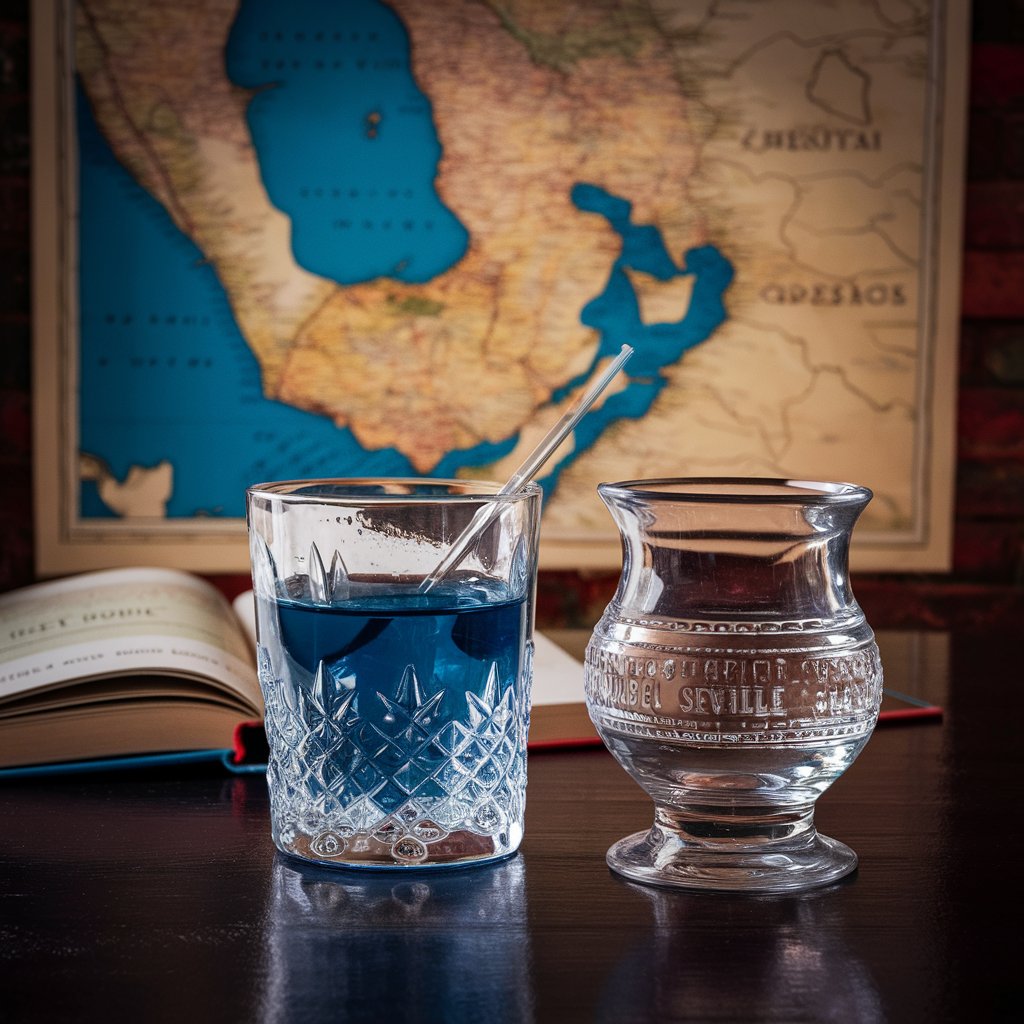
Why Ouzo Turns Cloudy with Water
One of the most fascinating characteristics of ouzo is the way it changes color when water or ice is added. The clear liquid suddenly becomes cloudy or milky white, a phenomenon known as the “ouzo effect.”
This transformation occurs because anethole, the essential oil found in anise, is soluble in alcohol but not in water. When water is added, the alcohol concentration decreases, causing the oils to form tiny droplets suspended in the liquid. These droplets scatter light, creating the cloudy appearance.
The ouzo effect is not only visually appealing but also enhances the drinking experience. Diluting ouzo with water softens the alcohol intensity and allows the herbal flavors to become more pronounced and refreshing.
The Flavor Profile of Ouzo
Ouzo has a bold and aromatic taste that immediately stands out. The dominant flavor comes from anise, which gives the drink a licorice-like character. However, quality ouzo also contains layers of herbal and spicy complexity that develop with each sip.
Some varieties feature subtle sweetness balanced by peppery or earthy undertones. Ingredients such as fennel, coriander, cardamom, mint, and cloves can contribute additional depth and aroma. The result is a spirit that feels both refreshing and warming at the same time.
Because of its intense flavor, ouzo is typically enjoyed slowly. Many drinkers prefer to add cold water or ice, which creates a smoother and more balanced taste profile. Pairing it with food further enhances its complexity and makes the experience more enjoyable.
Traditional Ways to Drink Ouzo
In Greece, ouzo is commonly consumed as an aperitif or alongside meals. It is traditionally served in small glasses with cold water, ice, or both. The drink is meant to be savored slowly while engaging in conversation and enjoying food.
Seafood is one of the most popular pairings with ouzo. Dishes such as grilled octopus, sardines, shrimp, calamari, and anchovies complement the drink’s herbal flavor perfectly. Greek meze, which includes small appetizer plates like olives, feta cheese, tomatoes, and cucumber, is also commonly served with ouzo.
Drinking ouzo is often considered a social ritual rather than simply consuming alcohol. Friends and family gather around tables for hours, sharing stories and enjoying the relaxed atmosphere that accompanies the experience.
Ouzo in Greek Culture
Ouzo holds a special place in Greek culture and identity. It represents hospitality, friendship, and the Mediterranean way of life. In many Greek villages and islands, local tavernas serve ouzo as part of everyday social interaction.
Festivals and celebrations frequently feature ouzo, especially in regions known for its production. Visitors to Greece often associate the drink with seaside restaurants, sunny afternoons, and traditional music. The spirit has become a cultural ambassador that introduces people worldwide to Greek traditions and cuisine.
In 2006, the European Union recognized ouzo as a protected designation of origin product, meaning only Greece and Cyprus can legally produce beverages labeled as ouzo. This recognition highlights the drink’s cultural importance and historical authenticity.
Different Types of Ouzo
Not all ouzo tastes the same. Various brands and regions produce distinct styles with unique flavor characteristics. Some are sweeter and smoother, while others are drier and more herbaceous.
Premium ouzo brands often use higher-quality ingredients and traditional distillation methods to achieve greater complexity. Artisanal producers may create small-batch varieties with carefully balanced spice blends and refined textures.
Regional differences also influence flavor. Ouzo from Lesbos is especially renowned for its quality and aromatic richness, while other regions may emphasize different herbs or production techniques. Exploring multiple varieties allows enthusiasts to discover the diversity within this iconic Greek spirit.
Health and Consumption Considerations
Like all alcoholic beverages, ouzo should be consumed responsibly. Moderate consumption may contribute to relaxation and social enjoyment, but excessive drinking can lead to health risks. Because ouzo has a relatively high alcohol content, it is important to drink slowly and stay hydrated.
Some people appreciate ouzo for its digestive qualities, particularly after meals. The herbs and spices used in its production have historically been associated with digestive support in Mediterranean cultures. However, ouzo should never be considered a health remedy or replacement for medical advice.
Responsible enjoyment ensures that the cultural and culinary experience of ouzo remains positive and enjoyable.
Conclusion
Ouzo is far more than just an alcoholic beverage; it is a symbol of Greek heritage, hospitality, and tradition. Its unmistakable anise aroma, fascinating cloudy transformation, and rich cultural history make it one of the most unique spirits in the world. Whether enjoyed in a lively Greek taverna overlooking the sea or shared among friends at home, ouzo creates an atmosphere of warmth, relaxation, and connection.
The craftsmanship involved in producing ouzo reflects generations of dedication and passion. From its origins in Greek distillation traditions to its modern international popularity, ouzo continues to capture the spirit of the Mediterranean lifestyle. For those seeking a flavorful and culturally rich drinking experience, ouzo remains an unforgettable choice.
Frequently Asked Questions About Ouzo
What does ouzo taste like?
Ouzo has a strong anise or licorice flavor combined with herbal and spicy notes. Depending on the brand, it may also include hints of fennel, coriander, cloves, or cardamom.
Why does ouzo turn white when mixed with water?
The cloudy white appearance occurs because anethole oil from anise becomes insoluble when diluted with water, creating tiny suspended droplets that scatter light.
Is ouzo stronger than wine?
Yes, ouzo is significantly stronger than wine. It usually contains between 37.5% and 50% alcohol, while most wines contain around 12% to 15% alcohol.
How should ouzo be served?
Ouzo is traditionally served chilled with water, ice, or both. It is often accompanied by Greek meze or seafood dishes.
Where is ouzo produced?
Ouzo is primarily produced in Greece, especially on the island of Lesbos. Cyprus also produces authentic ouzo under European regulations.
Can ouzo be used in cocktails?
Yes, ouzo can be used in cocktails to add herbal and anise flavors. Bartenders often combine it with citrus juices, tonic water, or Mediterranean-inspired ingredients.
What foods pair best with ouzo?
Seafood, olives, feta cheese, grilled vegetables, and traditional Greek appetizers pair exceptionally well with ouzo.
Is ouzo the same as sambuca?
No, although both are anise-flavored spirits, sambuca is Italian and generally sweeter, while ouzo is Greek and often more herbal and dry.