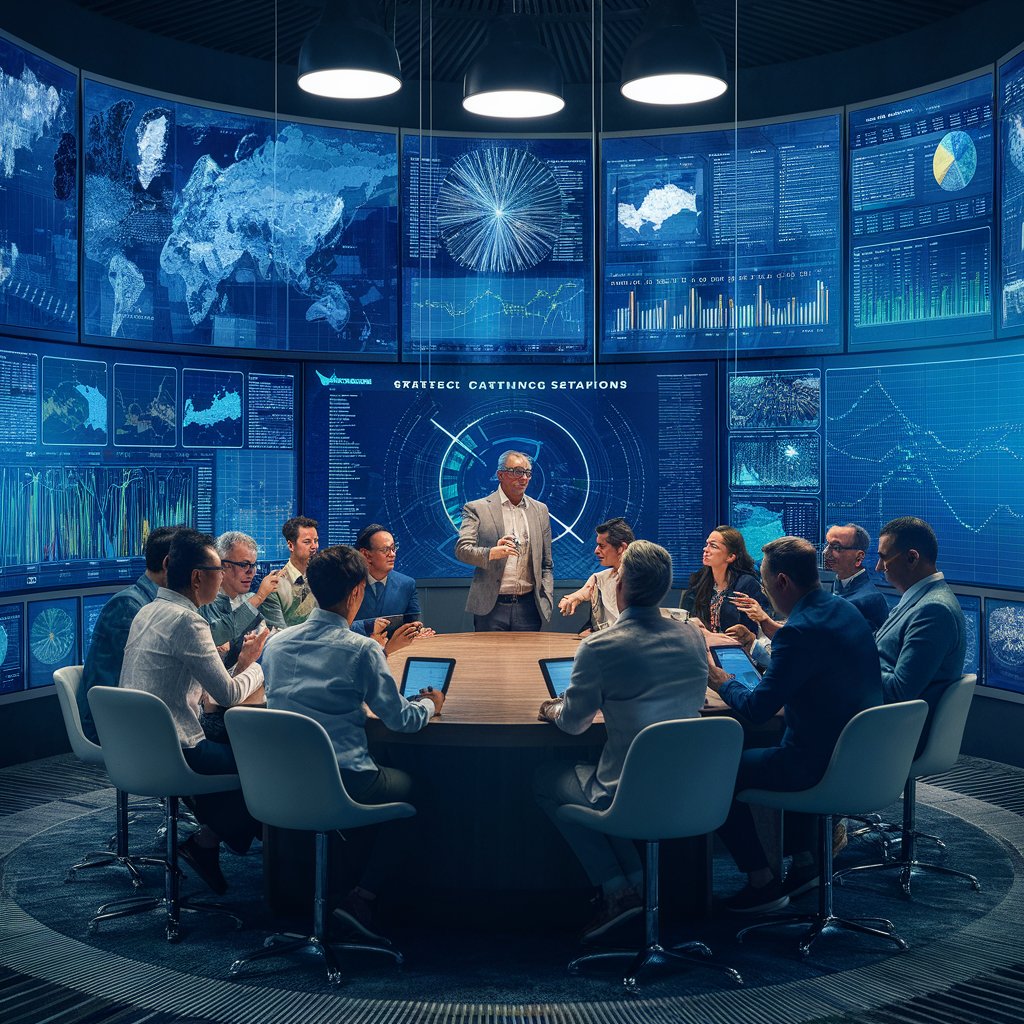

In an era defined by uncertainty, rapid technological change, and global sustainability challenges, organizations are increasingly turning to backcasting methodology as a powerful tool for strategic planning and future scenario development. The concept of the back casting room represents a structured environment—both physical and conceptual—where leaders, strategists, and innovators collaborate to envision desirable future outcomes and work backward to identify the steps required to achieve them. Unlike traditional forecasting, which projects current trends forward, backcasting begins with a vision of the future and strategically maps the path to reach it.
The back casting room is not merely a meeting space; it is a dynamic process of strategic foresight, organizational development, and sustainability planning. It encourages participants to think beyond short-term goals and immediate constraints, focusing instead on long-term transformation and resilience. By integrating scenario planning, business strategy, and sustainability frameworks, the backcasting approach helps organizations align their present actions with their desired future states. This article explores the principles, processes, and applications of the back casting room methodology, highlighting its role in shaping sustainable and future-ready organizations.
Understanding the Backcasting Methodology
The backcasting methodology is a strategic planning approach that starts with defining a clear vision of a successful future and then works backward to determine the necessary actions, policies, and decisions required to achieve that vision. This method contrasts with forecasting, which extrapolates from current trends and data to predict future outcomes.
In the back casting room, participants engage in structured discussions and workshops to articulate a shared vision of the future—whether it involves achieving carbon neutrality, digital transformation, or organizational growth. Once the desired future state is defined, teams identify the milestones, resources, and strategic initiatives needed to bridge the gap between the present and that envisioned future.
This approach is particularly valuable in sustainability strategy and organizational development, where long-term goals often require systemic change and cross-sector collaboration. By focusing on the end goal first, backcasting allows organizations to challenge existing assumptions, explore alternative pathways, and design strategies that are both innovative and achievable.
The Role of the Back Casting Room in Strategic Planning
The back casting room serves as a collaborative environment for strategic foresight and scenario planning. It brings together diverse stakeholders—executives, planners, researchers, and policymakers—to co-create a shared understanding of the future and the strategic steps required to reach it.
Within this setting, participants use tools such as future scenario mapping, systems thinking, and strategic visioning to explore multiple possible futures. The process encourages creativity and critical thinking, allowing organizations to anticipate potential challenges and opportunities. By simulating different scenarios, teams can test the resilience of their strategies and refine their business planning process accordingly.
The back casting room also fosters alignment between short-term actions and long-term objectives. It helps organizations translate visionary goals into actionable roadmaps, ensuring that every decision contributes to the broader mission. This alignment is essential for achieving sustainable growth, innovation, and competitive advantage in an increasingly complex global environment.
Backcasting and Sustainability Planning
One of the most impactful applications of the backcasting methodology is in sustainability planning. As organizations and governments strive to meet ambitious environmental and social targets, backcasting provides a structured framework for designing pathways toward sustainability.
In the back casting room, sustainability experts and decision-makers define a future state that aligns with global sustainability goals—such as achieving net-zero emissions, circular economy models, or social equity. From there, they work backward to identify the technological innovations, policy changes, and behavioral shifts required to realize that vision.
This approach is particularly effective because it encourages long-term thinking and systemic change. Rather than reacting to immediate pressures, organizations using backcasting proactively design strategies that address root causes and create lasting impact. The methodology also supports cross-sector collaboration, enabling businesses, governments, and communities to align their efforts toward shared sustainability outcomes.
By integrating backcasting into their strategic planning process, organizations can move beyond incremental improvements and embrace transformative change. This makes the back casting room an essential tool for leaders committed to building resilient, future-oriented, and sustainable enterprises.
The Back Casting Room as a Tool for Organizational Development
The back casting room is not only a planning framework but also a catalyst for organizational development and cultural transformation. It encourages teams to think strategically, collaborate effectively, and embrace innovation as a core competency.
Through facilitated workshops and scenario exercises, organizations can identify capability gaps, leadership needs, and structural barriers that may hinder progress toward their future goals. The process promotes a culture of learning and adaptability, empowering employees to take ownership of the organization’s long-term vision.
Moreover, the backcasting methodology enhances decision-making by integrating diverse perspectives and evidence-based insights. It helps organizations balance ambition with practicality, ensuring that strategic initiatives are both visionary and grounded in reality. By fostering alignment between vision, strategy, and execution, the back casting room becomes a powerful engine for organizational growth and transformation.
Integrating Backcasting with Strategic Foresight and Scenario Planning
The back casting room operates at the intersection of strategic foresight and scenario planning, two disciplines that enable organizations to anticipate and prepare for future uncertainties. While foresight focuses on identifying emerging trends and potential disruptions, backcasting translates those insights into actionable strategies.
In practice, this integration involves several key steps:
- Visioning the Future: Defining a desirable long-term outcome based on sustainability, innovation, or organizational success.
- Exploring Scenarios: Developing multiple future scenarios to test assumptions and identify potential risks and opportunities.
- Mapping Backward: Working backward from the desired future to identify milestones, enablers, and decision points.
- Strategic Alignment: Translating insights into actionable plans that align with the organization’s mission and resources.
- Implementation and Monitoring: Executing the strategy while continuously monitoring progress and adapting to new developments.
By combining backcasting with strategic foresight, organizations can create robust, flexible strategies that remain relevant in a rapidly changing world. This approach ensures that long-term planning is not only visionary but also resilient and adaptive.
Benefits of the Back Casting Room Approach
The back casting room methodology offers numerous benefits for organizations seeking to enhance their strategic planning and future readiness:
- Long-Term Visioning: Encourages organizations to think beyond short-term goals and focus on sustainable futures.
- Strategic Alignment: Ensures that daily operations and decisions contribute to long-term objectives.
- Innovation and Creativity: Promotes out-of-the-box thinking and exploration of alternative pathways.
- Collaborative Decision-Making: Engages diverse stakeholders in co-creating strategies and solutions.
- Resilience and Adaptability: Builds organizational capacity to respond effectively to uncertainty and change.
- Sustainability Integration: Aligns business strategies with environmental and social goals for long-term impact.
These benefits make the back casting room an indispensable tool for organizations committed to strategic excellence and sustainable growth.
Conclusion
The back casting room represents a transformative approach to strategic planning, future scenario development, and sustainability strategy. By starting with a vision of the desired future and working backward to identify the necessary steps, organizations can design strategies that are both ambitious and achievable.
In a world where uncertainty is the only constant, the backcasting methodology empowers leaders to move beyond reactive planning and embrace proactive, visionary thinking. It bridges the gap between aspiration and action, aligning organizational goals with long-term sustainability and innovation.
Ultimately, the back casting room is more than a planning tool—it is a mindset shift toward strategic foresight, collaboration, and purposeful transformation. Organizations that adopt this methodology position themselves not only to survive but to thrive in the future they choose to create.
Frequently Asked Questions (FAQ)
1. What is a back casting room?
A back casting room is a collaborative environment where teams use the backcasting methodology to envision a desired future and work backward to identify the steps needed to achieve it.
2. How does backcasting differ from forecasting?
While forecasting projects current trends into the future, backcasting starts with a vision of the future and works backward to determine the actions required to reach that vision.
3. What is the purpose of the back casting room in strategic planning?
The back casting room helps organizations align short-term actions with long-term goals through structured scenario planning and strategic foresight.
4. How is backcasting used in sustainability planning?
In sustainability strategy, backcasting helps organizations define long-term environmental and social goals and identify the systemic changes needed to achieve them.
5. Who participates in a back casting room session?
Participants typically include executives, strategists, sustainability experts, policymakers, and other stakeholders involved in organizational strategy and future planning.
6. What are the benefits of using the backcasting methodology?
Benefits include improved strategic alignment, enhanced innovation, long-term visioning, and stronger organizational resilience.
7. How does backcasting support organizational development?
By fostering collaboration and forward-thinking, backcasting promotes cultural transformation and strategic agility within organizations.
8. Can backcasting be integrated with other planning methods?
Yes, backcasting complements strategic foresight, scenario planning, and systems thinking, creating a holistic approach to business strategy.
9. What industries use the backcasting methodology?
Industries such as energy, finance, technology, and public policy use backcasting for sustainability planning and long-term innovation strategies.
10. Why is the back casting room important for future planning?
The back casting room enables organizations to proactively design their futures, ensuring that strategic decisions today lead to sustainable and desirable outcomes tomorrow.