
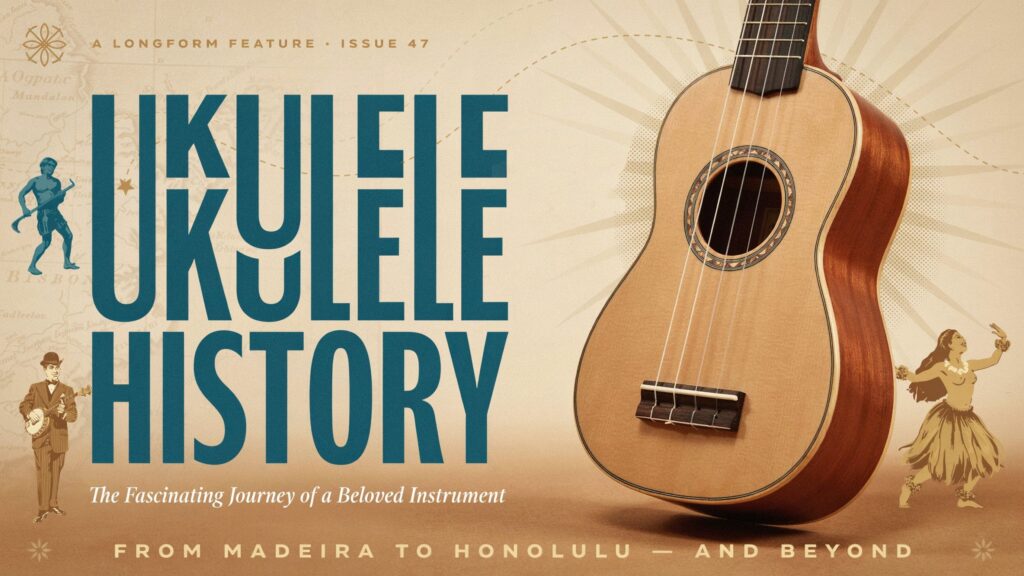

The ukulele is one of the most recognizable and cherished musical instruments in the world. Known for its compact size, cheerful tone, and easy playability, the ukulele has become a favorite among beginners and professional musicians alike. While many people associate the instrument with Hawaiian culture, the story of the ukulele stretches far beyond the islands. Its origins involve migration, cultural exchange, craftsmanship, and musical innovation that span continents and generations.
Understanding ukulele history provides valuable insight into how this small four-string instrument evolved from a regional creation into a global musical phenomenon. From its Portuguese roots to its rise in Hawaiian society and its worldwide popularity today, the ukulele has a rich and fascinating past that continues to influence modern music.
The Origins of Ukulele History
The origins of ukulele history can be traced back to the late nineteenth century when Portuguese immigrants arrived in Hawaii. Many of these immigrants came from Madeira, a Portuguese archipelago known for its musical traditions. Among the items they brought with them were small stringed instruments such as the braguinha, machete, and rajão. These instruments shared characteristics that would later become part of the modern ukulele.
When Portuguese laborers settled in Hawaii, local residents became fascinated by the lively sound of these instruments. Hawaiian craftsmen and musicians began adapting and modifying the designs, eventually creating a unique instrument that reflected both Portuguese influences and Hawaiian culture. This adaptation marked the birth of the ukulele and laid the foundation for its future success.
Portuguese Influence on the Ukulele
Portuguese culture played a crucial role in the development of the ukulele. The braguinha, often considered the instrument’s closest ancestor, featured a small body and four strings. Skilled Portuguese craftsmen introduced construction techniques and musical styles that influenced early Hawaiian instrument makers.
As Hawaiian artisans experimented with these imported instruments, they refined the design to better suit local musical preferences. The result was an instrument that maintained the essence of its Portuguese predecessors while developing a distinct identity of its own. This cultural blending remains one of the most important chapters in ukulele history and demonstrates how music can unite different traditions.
How the Ukulele Got Its Name
One of the most interesting aspects of ukulele history is the origin of the instrument’s name. The word “ukulele” is commonly translated from Hawaiian as “jumping flea.” According to popular stories, the name may have referred to the rapid movement of a musician’s fingers across the strings, which resembled the quick movements of a flea.
Although historians debate the exact origin of the term, the name quickly became associated with the instrument throughout Hawaii. Over time, the ukulele became a symbol of Hawaiian music and culture, helping to strengthen its identity both locally and internationally.
The Rise of the Ukulele in Hawaii
The ukulele gained popularity rapidly after its introduction to Hawaiian society. Hawaiian royalty played a significant role in promoting the instrument, particularly King Kalākaua, who was known for supporting Hawaiian arts and cultural traditions. Under his patronage, the ukulele became a common feature at royal gatherings, celebrations, and musical performances.
As more musicians embraced the instrument, it became deeply woven into Hawaiian cultural life. Its bright and uplifting sound made it ideal for accompanying traditional songs, dances, and storytelling. During this period, the ukulele transformed from a newly introduced instrument into an essential component of Hawaiian musical identity.
Ukulele History and the World’s Fair
A major turning point in ukulele history occurred during the early twentieth century when Hawaiian musicians performed at international exhibitions and cultural events. One of the most significant opportunities came during the Panama-Pacific International Exposition in San Francisco in 1915.
Visitors from around the world were captivated by Hawaiian music and the unique sound of the ukulele. As a result, demand for the instrument increased dramatically across the United States. Music publishers, instrument manufacturers, and performers began promoting the ukulele nationwide, sparking a craze that introduced millions of people to the instrument.
The Golden Age of the Ukulele
The 1920s and 1930s are often referred to as the Golden Age of the ukulele. During this era, the instrument became a household favorite throughout America. Its affordability, portability, and ease of learning made it accessible to people of all ages and backgrounds.
Music stores sold thousands of ukuleles, while instructional books and sheet music became widely available. Radio broadcasts, vaudeville performances, and recordings frequently featured the instrument. The ukulele became a symbol of entertainment and leisure, helping to establish its place in popular culture.
The Decline and Revival of the Ukulele
Like many musical trends, the popularity of the ukulele experienced periods of decline. Following the rise of electric guitars and changing musical tastes in the mid-twentieth century, the instrument received less attention from mainstream audiences. However, it never disappeared completely and remained important within Hawaiian music and educational programs.
A remarkable revival began in the late twentieth and early twenty-first centuries. Influential performers introduced the ukulele to new audiences through concerts, recordings, and online videos. Social media platforms and digital learning resources made it easier than ever for people to learn the instrument. This resurgence sparked renewed interest in ukulele history and inspired a new generation of musicians.
Modern Ukulele History and Global Popularity
Today, the ukulele enjoys unprecedented global popularity. Musicians from diverse genres, including pop, folk, jazz, and indie music, incorporate the instrument into their work. Schools frequently use ukuleles in music education because they are affordable and beginner-friendly.
Advances in manufacturing have also made high-quality instruments more accessible. From traditional handcrafted models to innovative modern designs, the ukulele continues to evolve while honoring its historical roots. International festivals, online communities, and educational programs ensure that the instrument remains relevant in contemporary music culture.
Different Types of Ukuleles Throughout History
As the instrument evolved, several variations emerged to meet the needs of different players. The four primary types are soprano, concert, tenor, and baritone ukuleles. The soprano is considered the traditional size and closely resembles early Hawaiian instruments.
Concert and tenor ukuleles offer larger bodies and greater volume, making them popular among performing musicians. The baritone ukulele, introduced later, produces a deeper tone that appeals to players seeking a richer sound. These variations demonstrate how ukulele history has been shaped by innovation and changing musical preferences.
Cultural Significance of the Ukulele
Beyond its musical qualities, the ukulele holds deep cultural significance. In Hawaii, it represents creativity, community, and cultural pride. The instrument serves as a bridge between generations, connecting modern musicians with historical traditions.
Globally, the ukulele symbolizes joy, accessibility, and artistic expression. Its welcoming nature encourages people from all backgrounds to participate in music-making. As a result, the ukulele has become much more than an instrument—it is a cultural icon that continues to inspire creativity worldwide.
Conclusion
Ukulele history is a remarkable story of cultural exchange, artistic innovation, and global influence. Originating from Portuguese instruments brought to Hawaii, the ukulele evolved into a unique symbol of Hawaiian culture before capturing the hearts of people around the world. Its journey from a small island instrument to an internationally recognized musical staple reflects the power of music to transcend borders and unite communities.
Today, the ukulele remains one of the most beloved instruments in the world. Its rich history, distinctive sound, and universal appeal ensure that future generations will continue to discover and appreciate this extraordinary instrument.
Frequently Asked Questions (FAQs)
What is the origin of the ukulele?
The ukulele originated in Hawaii during the late nineteenth century and was inspired by small Portuguese stringed instruments brought by immigrants from Madeira.
Why is it called a ukulele?
The name “ukulele” is generally translated as “jumping flea” in Hawaiian, possibly referring to the rapid movement of a player’s fingers across the strings.
Who helped popularize the ukulele in Hawaii?
King Kalākaua played an important role in promoting the instrument by supporting Hawaiian music and cultural traditions.
When did the ukulele become popular worldwide?
The instrument gained international attention after Hawaiian performances at the Panama-Pacific International Exposition in 1915 and continued growing in popularity throughout the twentieth century.
What are the main types of ukuleles?
The four primary types are soprano, concert, tenor, and baritone ukuleles, each offering different sizes and tonal characteristics.
Why is the ukulele popular today?
Its affordability, portability, ease of learning, and cheerful sound make the ukulele a popular choice for musicians of all skill levels around the world.