
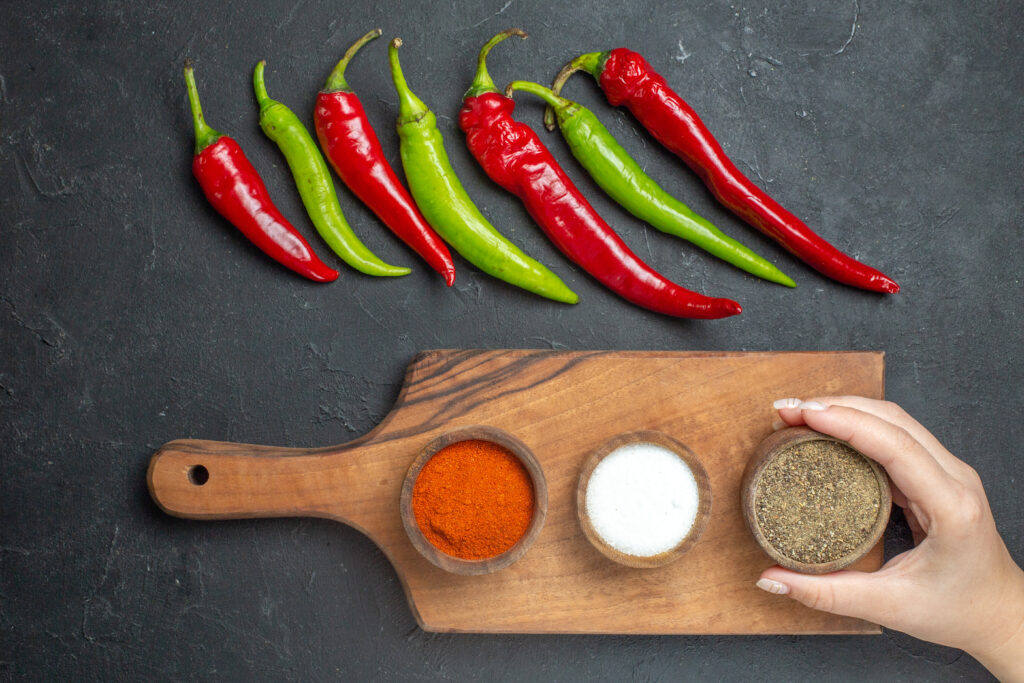

The jalapeno is one of the most recognizable and widely consumed chili peppers in the world. Known for its moderate heat level, vibrant green color, and versatile culinary applications, the jalapeno has become a staple ingredient in countless dishes across different cultures. Whether sliced fresh onto nachos, blended into sauces, stuffed with cheese, or pickled for added flavor, this pepper offers a unique combination of heat and taste that appeals to both spice enthusiasts and casual food lovers.
Originating from Mexico, the jalapeno has gained international popularity because it delivers a manageable level of spiciness while enhancing the flavor of many foods. Unlike extremely hot peppers that can overpower a dish, jalapenos provide a balanced kick that complements ingredients rather than dominating them. In addition to their culinary value, jalapenos also contain vitamins, antioxidants, and beneficial compounds that contribute to a healthy diet. This guide explores everything you need to know about jalapenos, including their history, nutritional benefits, cultivation, culinary uses, and much more.
What Is a Jalapeno?
A jalapeno is a medium-sized chili pepper belonging to the Capsicum annuum species. It is named after the city of Xalapa in Veracruz, Mexico, where it has historically been cultivated. Jalapenos are typically harvested when they are green, although they can also be allowed to ripen and turn red. The pepper usually measures between two and four inches in length and possesses a smooth, glossy exterior.
The heat of a jalapeno is generally considered moderate, making it accessible to a broad range of consumers. Its flavor profile includes earthy, slightly sweet, and grassy notes that distinguish it from other chili peppers. Because of its versatility and balanced heat, the jalapeno remains one of the most widely used peppers in kitchens around the world.
History and Origin of Jalapeno Peppers
The history of jalapeno peppers dates back thousands of years to ancient Mesoamerican civilizations. Indigenous peoples in present-day Mexico cultivated and consumed chili peppers long before European explorers arrived in the Americas. Jalapenos became particularly associated with the region surrounding Xalapa, where favorable growing conditions supported large-scale cultivation.
As global trade expanded, jalapenos spread beyond Mexico and became popular in North America, Europe, Asia, and other regions. Today, they are cultivated commercially in numerous countries and are considered an essential ingredient in Mexican cuisine. Their widespread popularity demonstrates the enduring appeal of a pepper that combines flavor, moderate heat, and versatility.
Jalapeno Heat Level and Scoville Scale
One of the most frequently discussed aspects of jalapenos is their heat level. The spiciness of peppers is measured using the Scoville Heat Scale, which quantifies the concentration of capsaicin, the compound responsible for the sensation of heat. Jalapenos typically range between 2,500 and 8,000 Scoville Heat Units (SHU).
This places jalapenos in the mild-to-moderate category of chili peppers. Factors such as growing conditions, maturity, and variety can influence their heat level. Red jalapenos are often slightly sweeter than green ones, although both can vary in spiciness. For many people, jalapenos represent the perfect balance between flavor and heat, making them ideal for everyday cooking.
Nutritional Value of Jalapenos
Jalapenos are not only flavorful but also nutritious. They are low in calories while providing important vitamins and minerals that support overall health. These peppers are particularly rich in vitamin C, vitamin A, vitamin B6, and folate.
In addition, jalapenos contain antioxidants that help combat oxidative stress within the body. Their high water content and low calorie count make them a healthy addition to many meals. Because they can add flavor without requiring excessive fats or sugars, jalapenos are often included in balanced and health-conscious diets.
Health Benefits of Jalapeno Peppers
The health benefits of jalapeno peppers are largely attributed to capsaicin and their nutrient content. Capsaicin has been studied for its potential role in supporting metabolism, promoting feelings of fullness, and contributing to healthy weight management. Some research suggests that it may also possess anti-inflammatory properties.
The vitamin C found in jalapenos supports immune system function and collagen production, while antioxidants help protect cells from damage caused by free radicals. Additionally, the vitamins and minerals present in jalapenos contribute to eye health, skin health, and overall wellness. While jalapenos should not be viewed as a cure-all, they can certainly be part of a nutritious and varied diet.
How Jalapenos Are Grown
Growing jalapenos requires warm temperatures, sunlight, and well-drained soil. Farmers and home gardeners typically start seeds indoors before transplanting seedlings into outdoor gardens once the risk of frost has passed. The plants thrive in sunny environments and benefit from consistent watering.
As the peppers mature, they develop their characteristic green color. Some growers allow them to remain on the plant longer until they turn red, which can result in a slightly sweeter flavor profile. Proper care and favorable conditions often lead to abundant harvests, making jalapenos a popular choice for both commercial agriculture and home gardening.
Culinary Uses of Jalapenos
Jalapenos are incredibly versatile and can be incorporated into a wide variety of dishes. Fresh jalapenos are commonly sliced and added to tacos, burgers, sandwiches, salads, pizzas, and nachos. Their crisp texture and moderate heat make them a favorite topping for many savory foods.
In Mexican cuisine, jalapenos are frequently used in salsas, sauces, and traditional dishes. They can be roasted, grilled, stuffed, or blended into dips to create layers of flavor. Because they complement ingredients such as cheese, tomatoes, onions, and meats, jalapenos are often used to enhance both simple snacks and complex recipes.
Pickled Jalapenos
Pickled jalapenos are among the most popular forms of this pepper. The pickling process involves preserving sliced jalapenos in a vinegar-based solution, which enhances their tangy flavor while extending their shelf life. Pickled jalapenos are commonly served on nachos, sandwiches, hot dogs, and various Mexican-inspired dishes.
Many people appreciate pickled jalapenos because they provide a combination of heat, acidity, and crunch. Their distinctive taste can elevate ordinary meals and add complexity to a wide range of recipes. Commercially produced varieties are widely available, but homemade pickled jalapenos are also a popular option.
Jalapeno Varieties and Differences
Although the standard green jalapeno is the most familiar, several varieties exist. Some are bred for increased heat, while others emphasize flavor, size, or disease resistance. Red jalapenos, which are simply mature green jalapenos, are often sweeter and are commonly used for sauces and specialty products.
Certain cultivars produce larger fruits suitable for stuffing, while others are optimized for commercial production. Understanding these variations allows gardeners and chefs to select the type best suited to their specific needs and preferences.
Jalapenos in Global Cuisine
While jalapenos originated in Mexico, they have become an important ingredient in cuisines worldwide. In the United States, they are frequently featured in Tex-Mex dishes, appetizers, and fusion recipes. Across Europe and Asia, chefs use jalapenos to add spice and complexity to both traditional and contemporary meals.
The global popularity of jalapenos highlights their adaptability and broad appeal. Their moderate heat allows them to complement a wide variety of ingredients, making them suitable for countless culinary traditions and creative recipes.
Conclusion
The jalapeno is far more than just a spicy pepper. It represents a perfect combination of flavor, heat, nutrition, and versatility that has earned it a place in kitchens around the world. From its origins in Mexico to its widespread use in international cuisine, the jalapeno continues to captivate food enthusiasts with its unique characteristics.
Whether enjoyed fresh, pickled, roasted, or blended into sauces, jalapenos offer endless culinary possibilities. Their nutritional benefits, manageable heat level, and distinctive taste make them an excellent addition to a variety of dishes. As interest in flavorful and healthy ingredients continues to grow, the jalapeno remains one of the most beloved chili peppers available today.
Frequently Asked Questions (FAQs)
1. How spicy is a jalapeno?
Jalapenos typically range from 2,500 to 8,000 Scoville Heat Units, making them moderately spicy compared to many other chili peppers.
2. Are red jalapenos hotter than green jalapenos?
Red jalapenos are generally sweeter because they are more mature, although their heat level can vary depending on growing conditions.
3. What nutrients are found in jalapenos?
Jalapenos contain vitamin C, vitamin A, vitamin B6, folate, antioxidants, and other beneficial nutrients.
4. Can jalapenos help with weight management?
Capsaicin, the compound responsible for their heat, may support metabolism and promote feelings of fullness as part of a balanced diet.
5. How are jalapenos commonly used in cooking?
They are used fresh, roasted, grilled, stuffed, pickled, and blended into sauces, salsas, dips, and numerous savory dishes.
6. Can I grow jalapenos at home?
Yes. Jalapenos are relatively easy to grow in warm climates with plenty of sunlight and well-drained soil.
7. What is the difference between fresh and pickled jalapenos?
Fresh jalapenos have a crisp texture and bright flavor, while pickled jalapenos offer a tangy taste and longer shelf life.
8. Are jalapenos healthy?
Yes. They are low in calories, rich in vitamins and antioxidants, and can be a nutritious addition to a healthy diet.