
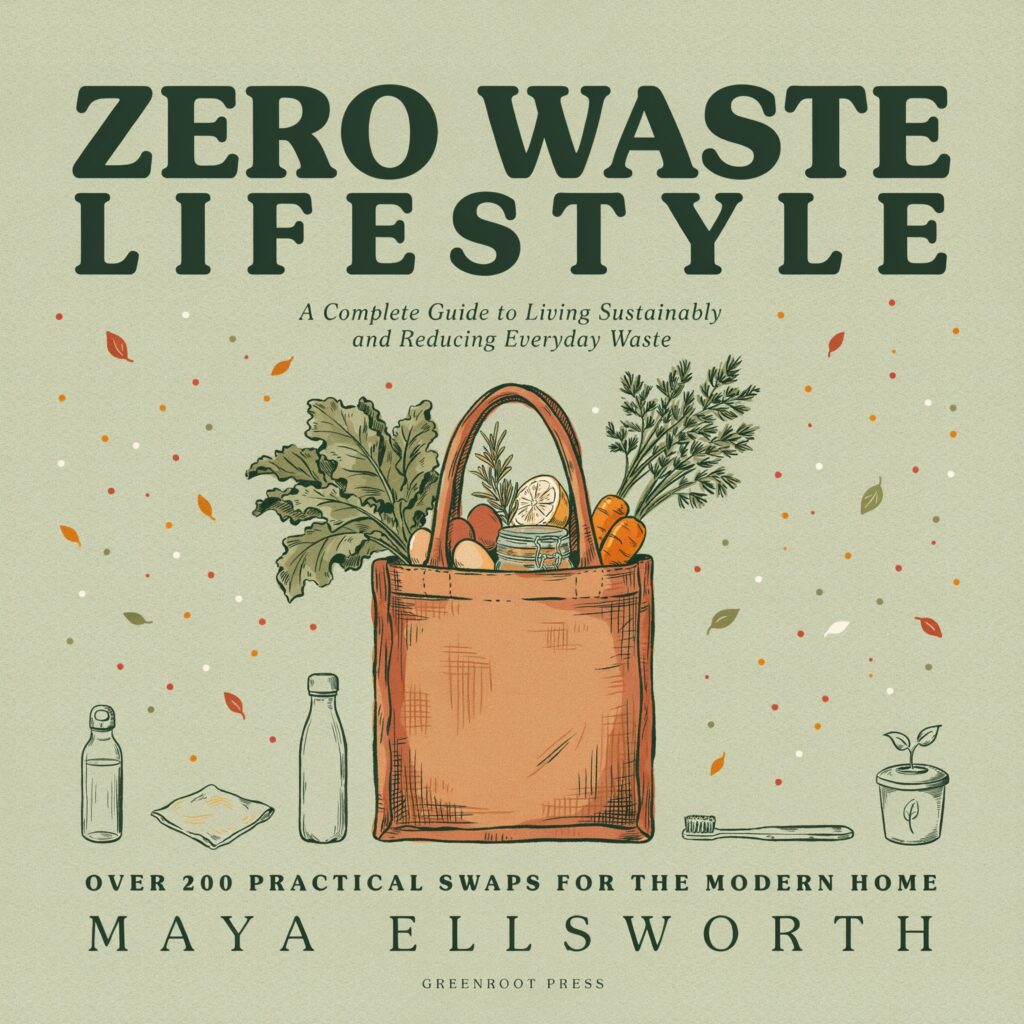

A zero waste lifestyle is more than just an environmental trend; it is a conscious way of living that focuses on minimizing waste and making responsible choices that benefit both people and the planet. As concerns about pollution, overflowing landfills, and climate change continue to grow, more individuals are adopting sustainable habits that reduce their environmental footprint. The goal of a zero waste lifestyle is not necessarily to produce absolutely no waste, but rather to send as little as possible to landfills through reducing, reusing, recycling, and composting.
Living a zero waste lifestyle encourages people to rethink their consumption habits, choose reusable alternatives, and prioritize products that have minimal environmental impact. Whether you are just beginning your sustainability journey or looking to deepen your commitment to eco-friendly living, understanding the principles and practices of zero waste can help you create lasting positive change. This guide explores the key aspects of a zero waste lifestyle, its benefits, practical strategies, and ways to incorporate it into everyday life.
What Is a Zero Waste Lifestyle?
A zero waste lifestyle is a sustainable approach to living that aims to eliminate unnecessary waste by carefully managing resources and consumption habits. The concept revolves around reducing the amount of trash sent to landfills and incinerators while maximizing the use of reusable, recyclable, and compostable materials.
The philosophy behind zero waste emphasizes mindful consumption. Instead of constantly purchasing disposable products, individuals focus on choosing durable, reusable alternatives that can be used repeatedly over time. This shift helps conserve natural resources, reduce pollution, and lower the overall environmental impact of daily activities. A zero waste lifestyle encourages people to think critically about the products they buy, how those products are packaged, and what happens to them after use.
The Core Principles of a Zero Waste Lifestyle
The foundation of a zero waste lifestyle is often summarized through the “5 Rs”: Refuse, Reduce, Reuse, Recycle, and Rot. These principles provide a practical framework for minimizing waste and living more sustainably.
Refusing unnecessary items is the first step. This includes declining single-use plastics, promotional products, and excess packaging. Reducing consumption involves purchasing only what is truly needed and avoiding impulsive buying habits. Reusing encourages extending the life of products through repair, repurposing, and choosing durable goods. Recycling helps recover valuable materials that can be processed into new products, while composting organic waste allows food scraps and yard waste to return nutrients to the soil.
By following these principles, individuals can significantly decrease their waste output while supporting a more circular and sustainable economy.
Benefits of Adopting a Zero Waste Lifestyle
Embracing a zero waste lifestyle offers numerous environmental, financial, and personal benefits. Environmentally, reducing waste helps decrease pollution, conserve natural resources, and lower greenhouse gas emissions associated with manufacturing and disposal processes. Less waste in landfills also means reduced methane emissions, which contribute to climate change.
Financially, a zero waste lifestyle often leads to substantial savings. Reusable products such as water bottles, coffee cups, shopping bags, and food containers eliminate the need for frequent replacements. Buying fewer items and focusing on quality over quantity can also reduce overall spending.
On a personal level, many people find that living with less clutter and consuming more intentionally creates a sense of simplicity and mindfulness. A zero waste lifestyle encourages thoughtful decision-making and can lead to healthier habits, stronger community connections, and a greater appreciation for the resources we use every day.
How to Start a Zero Waste Lifestyle
Beginning a zero waste lifestyle does not require drastic changes overnight. In fact, gradual adjustments are often more sustainable and easier to maintain. A practical starting point is conducting a waste audit to identify the types of trash your household produces most frequently. This assessment can reveal opportunities for improvement and help prioritize changes.
Replacing disposable items with reusable alternatives is another effective first step. Switching to reusable shopping bags, stainless steel water bottles, cloth napkins, and refillable containers can significantly reduce household waste. It is also helpful to focus on one area at a time, such as the kitchen, bathroom, or workplace, rather than attempting to transform every aspect of life simultaneously.
Consistency is key. Small actions practiced regularly can add up to substantial waste reduction over time and create lasting sustainable habits.
Zero Waste Lifestyle in the Kitchen
The kitchen is often one of the largest sources of household waste, making it an excellent place to implement zero waste practices. Food packaging, disposable utensils, paper towels, and food scraps can all contribute significantly to waste generation.
A zero waste kitchen emphasizes meal planning, bulk purchasing, reusable storage containers, and composting. Shopping at local markets and bringing reusable bags and containers can help reduce packaging waste. Choosing glass jars, stainless steel containers, and cloth produce bags further minimizes reliance on single-use plastics.
Food waste can be reduced by planning meals carefully, storing ingredients properly, and using leftovers creatively. Composting fruit peels, vegetable scraps, and other organic materials helps divert waste from landfills while creating nutrient-rich soil for gardening.
Zero Waste Lifestyle for Personal Care and Hygiene
Personal care products often come with excessive packaging and disposable components. A zero waste lifestyle encourages the use of eco-friendly alternatives that generate less waste and often contain fewer harmful chemicals.
Popular zero waste personal care options include shampoo bars, refillable deodorants, bamboo toothbrushes, reusable makeup remover pads, and safety razors. Many sustainable brands now offer refill stations and package-free products that align with zero waste principles.
Transitioning to these alternatives can significantly reduce bathroom waste while promoting healthier and more environmentally responsible consumption habits. Over time, these changes contribute to a more sustainable daily routine and reduce reliance on disposable products.
Sustainable Shopping and the Zero Waste Lifestyle
Shopping mindfully is a central component of a zero waste lifestyle. Before making a purchase, it is important to consider whether the item is truly necessary and whether a more sustainable alternative exists. Prioritizing quality products that are durable, repairable, and ethically produced helps minimize waste and supports responsible manufacturing practices.
Secondhand shopping is another valuable strategy. Purchasing used clothing, furniture, electronics, and household goods extends the lifespan of existing products and reduces demand for new resources. Supporting local businesses and choosing products with minimal packaging can further reduce environmental impact.
By becoming more intentional consumers, individuals can align their purchasing decisions with the values of a zero waste lifestyle and contribute to a more sustainable economy.
Common Challenges of a Zero Waste Lifestyle
While a zero waste lifestyle offers many benefits, it can also present challenges. Finding package-free products, changing long-established habits, and navigating limited sustainable options in certain areas may require extra effort and planning.
Some people worry about the cost of eco-friendly products, but many zero waste solutions save money over time through reuse and reduced consumption. Others may feel overwhelmed by the idea of achieving perfection. However, it is important to remember that zero waste is about progress rather than perfection.
Every sustainable choice matters, and even small reductions in waste can have a meaningful impact when adopted consistently over time.
The Future of the Zero Waste Lifestyle Movement
The zero waste lifestyle movement continues to gain momentum as awareness of environmental issues grows worldwide. Governments, businesses, and communities are increasingly adopting policies and practices that support waste reduction, recycling, and sustainable resource management.
Innovations in product design, packaging, and circular economy systems are making it easier for consumers to reduce waste and make environmentally responsible choices. As more people embrace sustainability, the collective impact of individual actions can drive significant positive change for future generations.
The future of the zero waste lifestyle lies in continued education, innovation, and collaboration. By working together, individuals and organizations can create a cleaner, healthier, and more sustainable world.
Conclusion
A zero waste lifestyle is a practical and meaningful way to reduce environmental impact, conserve resources, and live more intentionally. By focusing on reducing consumption, reusing materials, recycling responsibly, and composting organic waste, individuals can significantly decrease the amount of waste they generate. While transitioning to a zero waste lifestyle may take time and effort, the long-term benefits for the environment, personal well-being, and financial health make it a worthwhile endeavor. Every small step toward sustainability contributes to a larger movement that promotes responsible living and a healthier planet for future generations.
Frequently Asked Questions (FAQs)
What is the main goal of a zero waste lifestyle?
The main goal of a zero waste lifestyle is to minimize waste sent to landfills by reducing consumption, reusing products, recycling materials, and composting organic waste whenever possible.
Is it possible to produce absolutely zero waste?
For most people, producing absolutely zero waste is difficult. The focus should be on reducing waste as much as possible and making continuous improvements rather than striving for perfection.
How can beginners start a zero waste lifestyle?
Beginners can start by replacing disposable items with reusable alternatives, reducing unnecessary purchases, recycling correctly, and composting food scraps when possible.
Does a zero waste lifestyle save money?
Yes. Many zero waste practices, such as using reusable products, buying fewer items, and reducing food waste, can lead to significant financial savings over time.
What are some essential zero waste products?
Common zero waste products include reusable shopping bags, stainless steel water bottles, glass food containers, bamboo toothbrushes, cloth napkins, and reusable produce bags.
Why is a zero waste lifestyle important?
A zero waste lifestyle helps reduce pollution, conserve natural resources, decrease greenhouse gas emissions, and promote more sustainable patterns of consumption and production.
Can families adopt a zero waste lifestyle?
Absolutely. Families can reduce waste by planning meals, using reusable household items, recycling properly, composting organic waste, and teaching children sustainable habits from an early age.